Can I Use a Degreaser to Clean a Microwave?
A common question in household maintenance is: "Can I use a degreaser to clean a microwave?" The answer is yes, but with crucial caveats regarding safety and product selection. Unlike cleaning a stovetop or oven, the microwave's enclosed cavity and its function for heating food demand extreme caution. Using the wrong kitchen degreaser can leave toxic residues or damage interior surfaces. However, with a strategic, two-phase approach starting with natural steam and followed by a carefully chosen, food-safe cleaner, you can effectively tackle baked-on splatters without risk.
1
The Essential Pre-Cleaning Steam Treatment
Before reaching for any chemical cleaner, begin with a natural steam process to loosen hardened grease and food particles. This step dramatically reduces the scrubbing required and the amount of kitchen grease remover needed.
The Vinegar Steam Method:
In a microwave-safe bowl, combine one cup of water with one cup of white vinegar or the juice of one lemon.
Place the bowl in the center of the microwave.
Heat on high power for 5-7 minutes, or until the solution boils and the window is steamy. Allow the bowl to sit inside the closed microwave for an additional 10-15 minutes. The hot, acidic steam will condense on the interior walls and ceiling, softening even stubborn, polymerized grease.
Carefully remove the hot bowl.
Wipe down the entire interior—walls, ceiling, turntable, and door seal—with a damp microfiber cloth or sponge. A significant amount of grime will wipe away effortlessly.
This process alone may suffice for light cleaning. For heavier buildup, it prepares the surface for a targeted degreasing step, ensuring any subsequent kitchen cleaner works more effectively and with less abrasion.
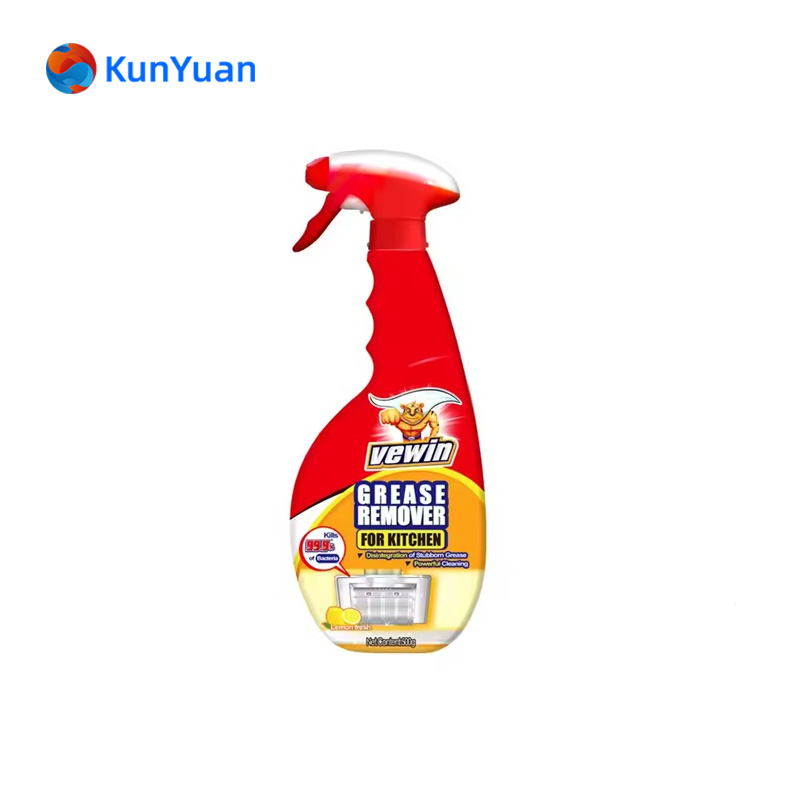
kitchen cleaner

kitchen degreaser

kitchen grease remover
2
Selecting and Applying a Safe Microwave Degreaser
After steaming, if residue remains, it is time for a targeted application. You must never use a standard heavy duty degreaser kitchen product, industrial solvent, or aerosol oven cleaner inside a microwave. These can contain harsh chemicals (like lye or strong solvents) that may damage the microwave's interior coating and leave fumes or residues that could contaminate food.
Choosing the Right Product:
Opt for a non-toxic, plant-based, and food-contact surface safe formula. Look for labels that explicitly state "safe for food surfaces," "non-toxic," "biodegradable," or "no harmful fumes." Popular and effective professional-grade options like kitchen grease cleaner often offer a specific, non-toxic formula suitable for such tasks. Always verify the label for microwave safety. A mild, pH-neutral all-purpose kitchen cleaner can also work for light film.
Safe Application Protocol:
Ventilate: Ensure the kitchen is well-ventilated.
Apply to Cloth, Not Cavity: To maintain control and prevent product from dripping into ventilation or electrical components, do not spray directly into the microwave. Instead, spray a small amount of the chosen kitchen grease remover onto a microfiber cloth or non-abrasive sponge until slightly damp.
Wipe and Scrub Gently: Wipe the interior surfaces, focusing on greasy spots. For stubborn areas, apply gentle pressure. The pre-steaming should have done most of the work, minimizing the need for aggressive scrubbing.
The Critical Rinse: This is the most important step. Using a separate cloth rinsed thoroughly in clean water, wipe down the entire interior multiple times to remove all cleaning product residue. Any leftover cleaner could become airborne or leach into food during subsequent use.
Dry and Air Out: Wipe dry with a clean towel and leave the microwave door open for 30-60 minutes to allow any lingering moisture or scent to dissipate fully.
What to Absolutely Avoid:
Abrasive Scrubs: Steel wool or abrasive pads can scratch the interior, creating grooves where bacteria and grime accumulate.
Harsh Chemicals: Avoid products containing bleach, ammonia, or caustic agents.
Over-Application: Using excessive amounts of any cleaner is unnecessary and increases the risk of residue.
Proactive Maintenance for a Cleaner Microwave
Prevention is the best kitchen grease remover. Consistently using a microwave splatter cover (a dedicated lid or even a microwave-safe plate) dramatically reduces internal mess. Wiping spills immediately after they occur, when they are still warm and soft, with a damp cloth is far easier than dealing with hardened deposits later.
You can use a kitchen degreaser to clean your microwave, but the methodology is paramount. The safest and most effective strategy is a two-step process: First, soften and dislodge grime with a natural vinegar or lemon steam treatment. Second, for any remaining residue, apply a minimal amount of a verified non-toxic, food-safe cleaner like a specific kitchen grease cleaner formula to a cloth, not directly to the appliance, followed by a thorough and meticulous rinse. This approach prioritizes food safety and appliance care over sheer chemical power. By understanding that not every heavy duty degreaser kitchen product is suitable for every task and by incorporating simple preventative habits, you can maintain a sparkling, hygienic microwave without compromising health or safety.

heavy duty degreaser kitchen
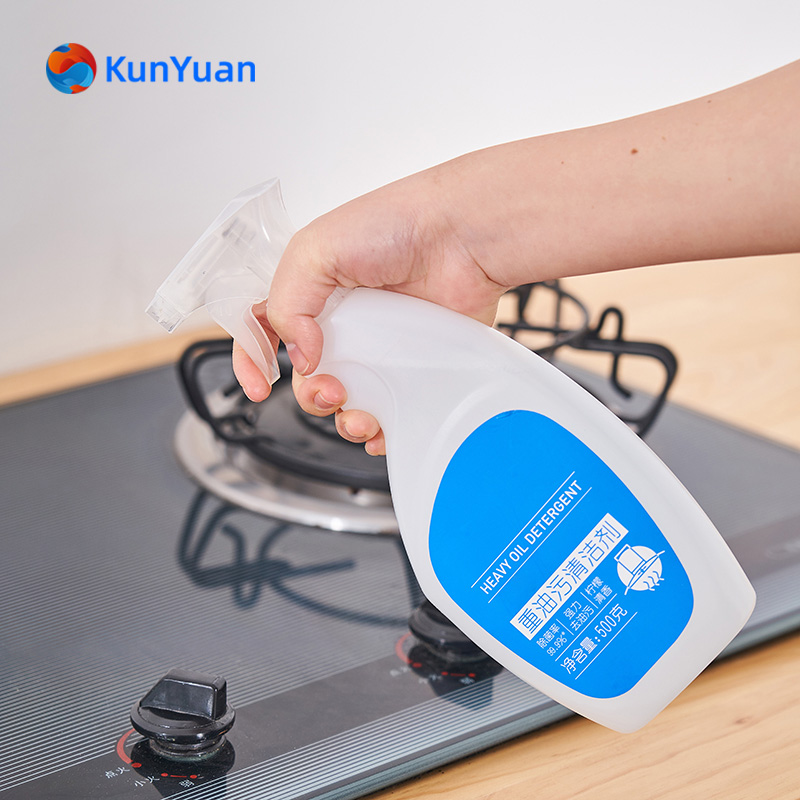
kitchen cleaner

kitchen cleaner