Can Kitchen Degreasers Also Disinfect Surfaces?
In the realm of household hygiene, a common and critical question arises: can a powerful kitchen grease cleaner also serve as a reliable disinfectant? As consumers seek efficiency and value, the appeal of a single product that tackles both greasy grime and harmful microbes is undeniable. However, the answer is not a simple yes or no. It hinges on a clear understanding of the distinct chemical processes involved in degreasing versus disinfecting, and a careful reading of product labels. While some advanced formulations are engineered to do both, a standard kitchen degreaser is primarily designed for one core function: breaking down fats and oils.
The Fundamental Difference: Degreasing vs. Disinfecting
To understand why most kitchen cleaner products are not automatic disinfectants, we must distinguish their primary modes of action:
1. Degreasing (Cleaning): This is a physical and chemical process aimed at removing soil, such as grease, oil, and food residues, from a surface. A kitchen grease remover works by using surfactants (surface-acting agents) and solvents. Surfactants reduce the surface tension of water, allowing it to penetrate and lift grease. Solvents dissolve the fat molecules, breaking them apart so they can be rinsed away. The goal is physical removal. A potent degreaser for cabinets excels at this, stripping away the sticky film that accumulates from cooking vapors.
2. Disinfecting (Sanitizing): This is a biological process aimed at killing or inactivating specific classes of pathogens—bacteria, viruses, and fungi—on a surface. Disinfectants achieve this through antimicrobial agents (like quaternary ammonium compounds, alcohol, hydrogen peroxide, or sodium hypochlorite/bleach) that disrupt the microorganisms' cell walls, proteins, or DNA. The goal is microbial destruction. Crucially, for a disinfectant to be effective, the surface must typically be cleaned first, as organic matter like grease can shield microbes from the antimicrobial agent.
When Do the Functions Overlap? The Rise of Dual-Action Formulas
Recognizing consumer demand, the industry has developed dual-action or "cleaner-disinfectant" formulations. These products contain both robust degreasing agents and registered antimicrobial ingredients. They are engineered to first cut through grease and then, given proper contact time, kill germs.
How to Identify Them: The key is to look for an EPA registration number (in the U.S.) or an equivalent public health agency registration in your country. This number indicates the product is officially recognized as a pesticide (disinfectant) and its label will list the specific pathogens it is proven to kill (e.g., Staphylococcus aureus, Salmonella enterica, Influenza A virus, or even SARS-CoV-2).
The Importance of "Dwell Time": For these dual-action products, the disinfecting function is not instantaneous. The label will specify a required "dwell time" or "contact time"—often 3 to 10 minutes—during which the surface must remain visibly wet with the product to achieve the stated microbial kill rate. This is a critical step often missed when using a kitchen degreaser primarily for cleaning.
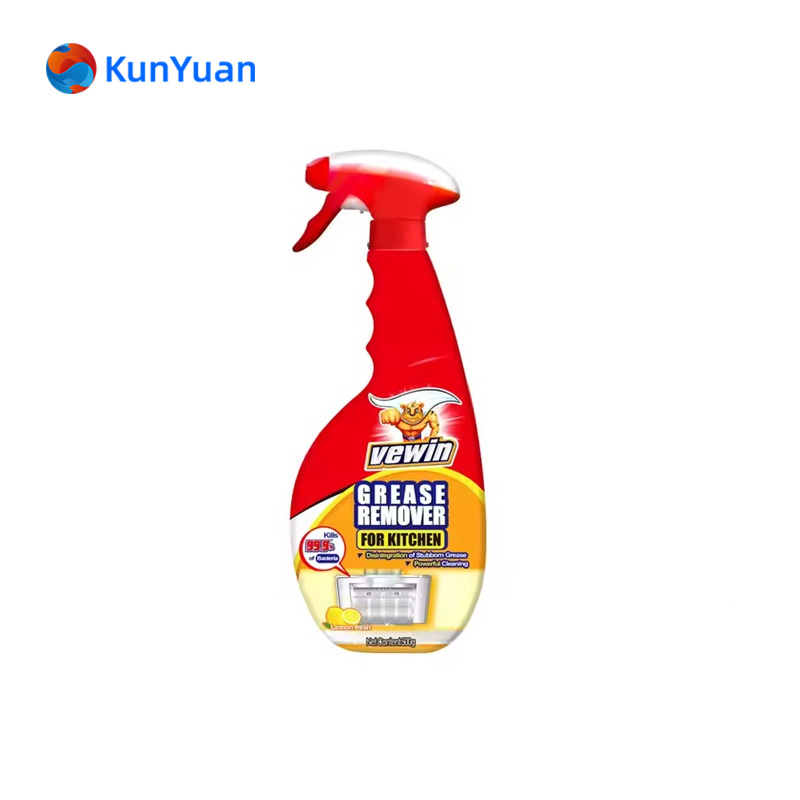
kitchen cleaner
kitchen degreaser

kitchen grease cleaner
The Limitations of Standard Degreasers
A conventional kitchen degreaser, without an EPA registration number, should not be relied upon for disinfection. While removing grease physically eliminates some microbes by taking their environment with them—a process known as "soil removal"—it does not actively kill them. In fact, the act of scrubbing a greasy surface with a non-disinfecting kitchen cleaner could potentially spread microorganisms around if not rinsed thoroughly.
For example, using a specialized degreaser for cabinets will beautifully remove oily buildup, but it will not eliminate the cold virus that a sick family member may have touched. For true disinfection in high-risk areas (like countertops where raw meat is prepared), a dedicated disinfectant or a verified dual-action product is necessary after the initial degreasing if the kitchen grease remover itself is not registered for sanitizing.
Best Practices for a Truly Clean and Sanitized Kitchen
To ensure both degreased and disinfected surfaces, a two-step or integrated approach is most reliable:
1. Clean First with the Right Tool: Use an appropriate kitchen grease cleaner for the task. A heavy-duty degreaser for stove tops and oven hoods for baked-on carbon, a gentler kitchen grease remover for cabinet fronts. Rinse thoroughly with water if the product directions require it. This removes the grease barrier that protects microbes.
2. Disinfect Second with a Registered Product: After cleaning and drying, apply an EPA-registered disinfectant to the surface. Follow the instructions meticulously, especially the required contact time. Allow the surface to air dry.
Alternatively, select a dual-action cleaner-disinfectant that is both a powerful kitchen degreaser and a proven antimicrobial agent. Use it according to its full label directions: spray, allow it to dwell for the full required time to cut grease and kill germs, then wipe.
Read the Label, Know Your Goal
So, can a kitchen degreaser also disinfect? The capability is not inherent to degreasing chemistry. The answer lies entirely on the product label. A standard kitchen cleaner is engineered for one job: defeating grease. However, a growing segment of the market offers hybrid solutions that are potent kitchen grease cleaner and certified disinfectants in one bottle. For comprehensive kitchen hygiene, consumers must move beyond assuming cleaning equals sanitizing. By understanding the distinction, reading labels for EPA numbers and dwell times, and choosing products aligned with their specific needs—whether pure degreasing power or combined degreasing-disinfection—homeowners can confidently maintain a kitchen that is not only spotless but also truly sanitized.
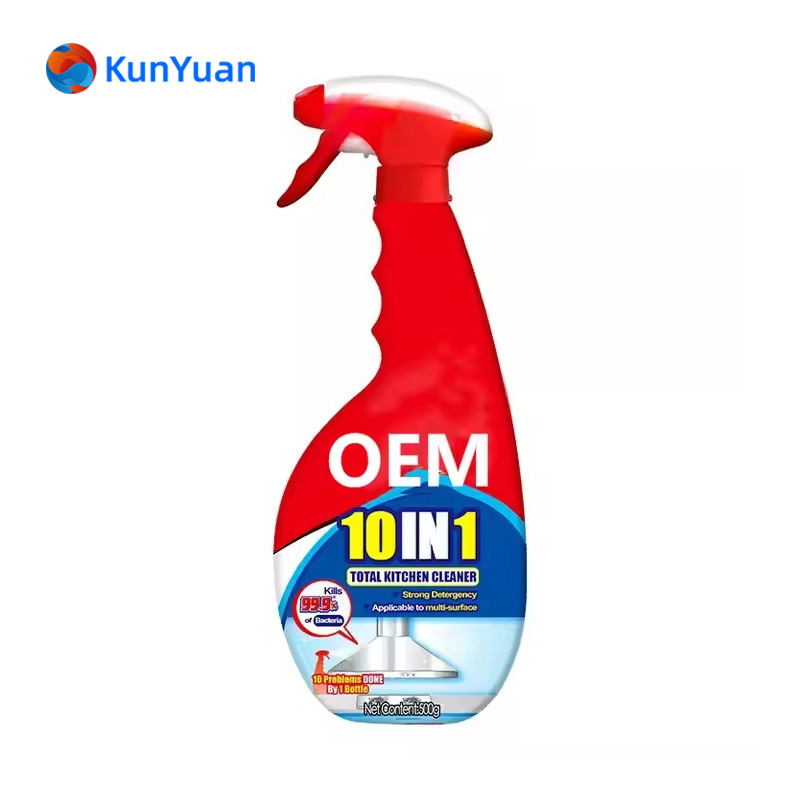
kitchen grease remover
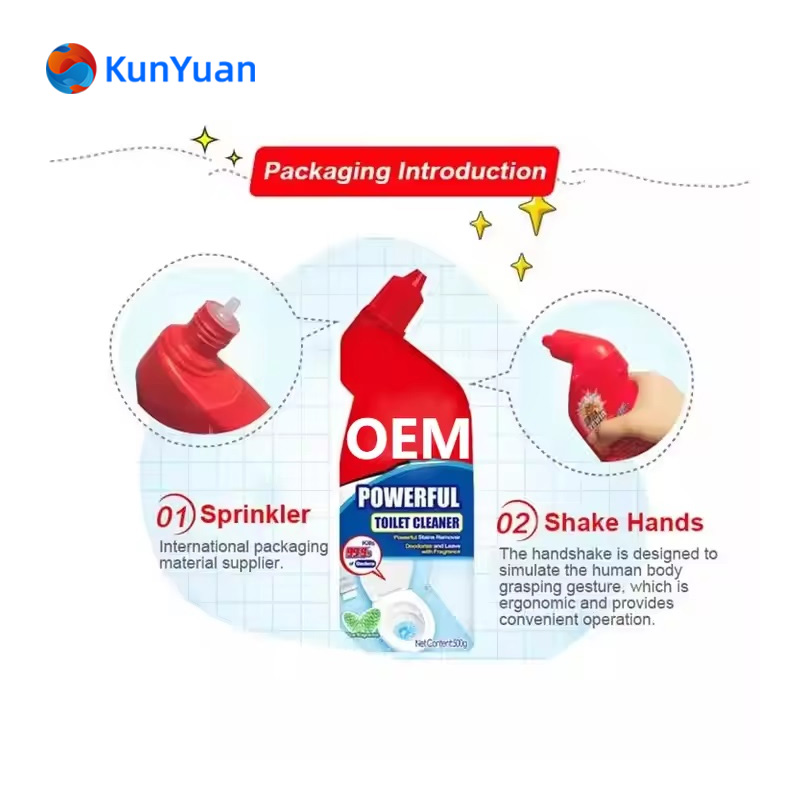
degreaser for cabinets
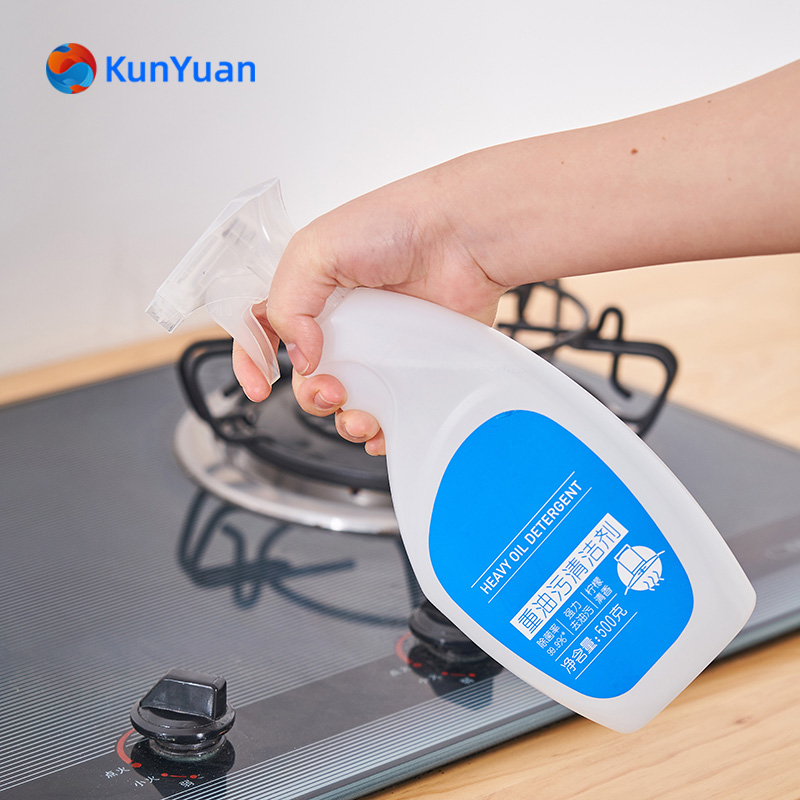
kitchen cleaner