Does Cold Water Melt Detergent Powder Fully?
Many households have switched to cold water washing to save energy and protect delicate fabrics. But this raises a critical question: does detergent powder actually dissolve fully in cold water? The honest answer is often no. Detergent powder relies on a combination of water temperature, agitation, and time to break apart completely. In cold water conditions—typically below 15°C (60°F)—detergent powder may leave undissolved granules on clothes and inside the machine. Understanding the solubility limits of detergent powder helps you avoid wasted product and poorly cleaned laundry. Without proper dissolution, even the best detergent powder cannot activate its stain-fighting ingredients.
How Washing Powder Dissolves at Low Temperatures
The term washing powder refers to the same product category, but different formulations behave differently. Traditional washing powder contains sodium carbonate and surfactants that need warmth to fully activate. When you use washing powder in cold water, the outer layer of each granule may soften but not completely disintegrate. This leaves a gritty residue on dark fabrics. Modern high-efficiency washing powder includes cold-water enzymes, but the soluble carriers still struggle below 10°C. If you must wash with cold water, pre-dissolve your washing powder in one cup of warm water before adding it to the drum. Never pour washing powder directly onto dry clothes in a cold cycle.
The Science Behind Laundry Powder Solubility
Laundry powder consists of multiple ingredients: surfactants, builders, enzymes, and anti-caking agents. Each component has a specific solubility temperature. The sodium sulfate filler in many laundry powder formulas dissolves easily even in cold water. However, the fatty acid-based surfactants require warmer conditions to break apart. Laundry powder also contains sodium percarbonate—a bleaching agent that only activates above 20°C (68°F). Therefore, using laundry powder in cold water means you lose whitening power entirely. Some premium laundry powder brands add cold-water modifiers, but these are exceptions. For heavily soiled loads, warm water is essential for proper laundry powder performance.
Does Natural Washing Powder Perform Better in Cold Water?
Eco-conscious consumers often ask whether natural washing powder dissolves more readily at low temperatures. A genuine natural washing powder typically contains plant-based surfactants and mineral salts like sodium bicarbonate. These ingredients are often more soluble in cold water than synthetic alternatives. In fact, many natural washing powder formulas dissolve completely at 10°C (50°F). However, natural washing powder lacks optical brighteners and strong bleaching agents, so cleaning power may still be reduced. For best results with natural washing powder in cold water, use the highest recommended dosage. Always check that your natural washing powder is labeled “cold-water compatible.” Some natural washing powder brands recommend a short warm pre-soak for heavily stained items.
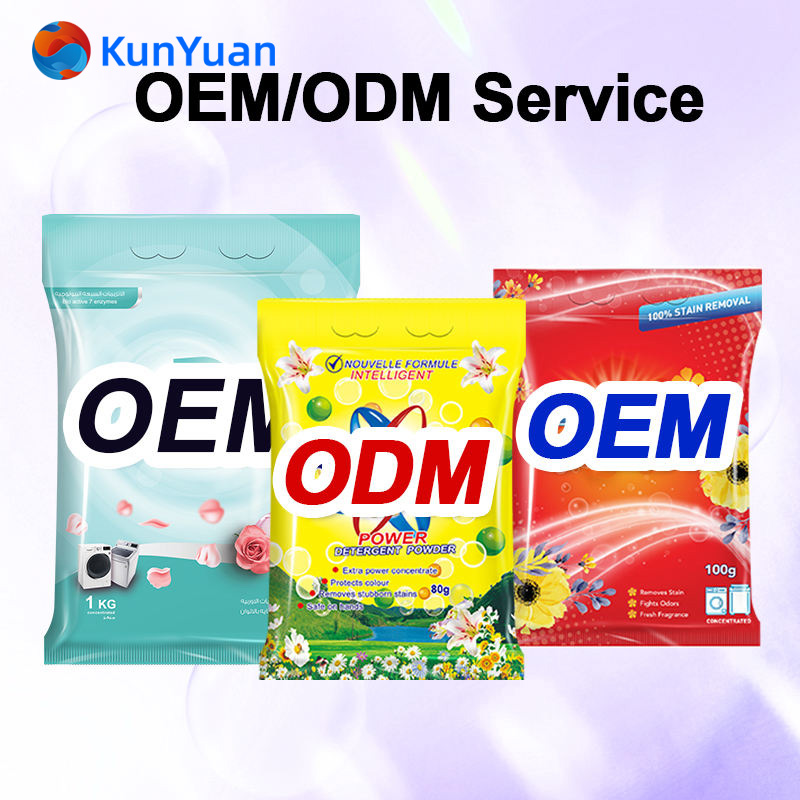
laundry powder
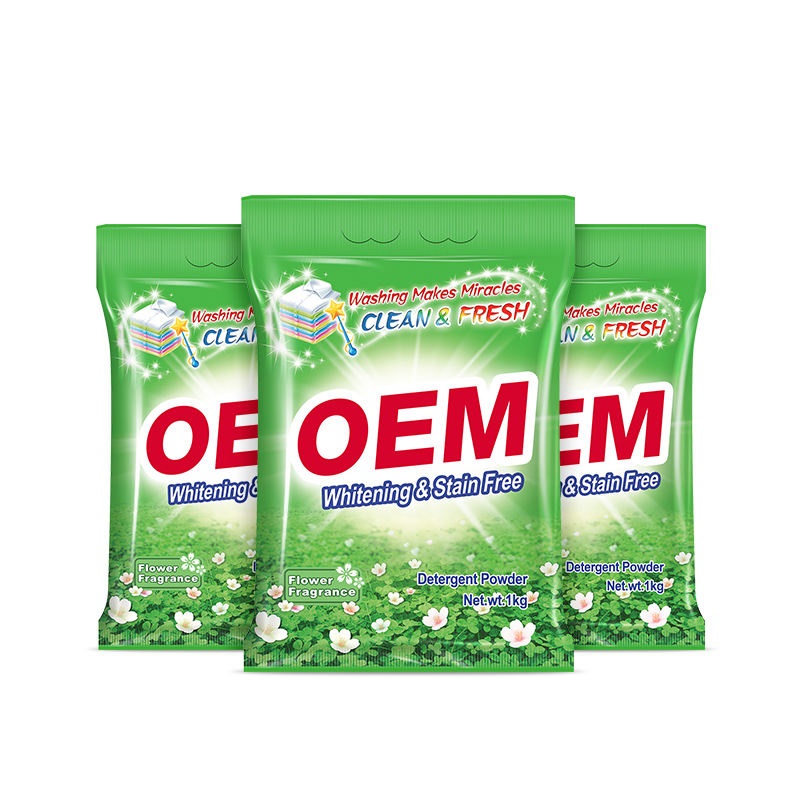
laundry powder
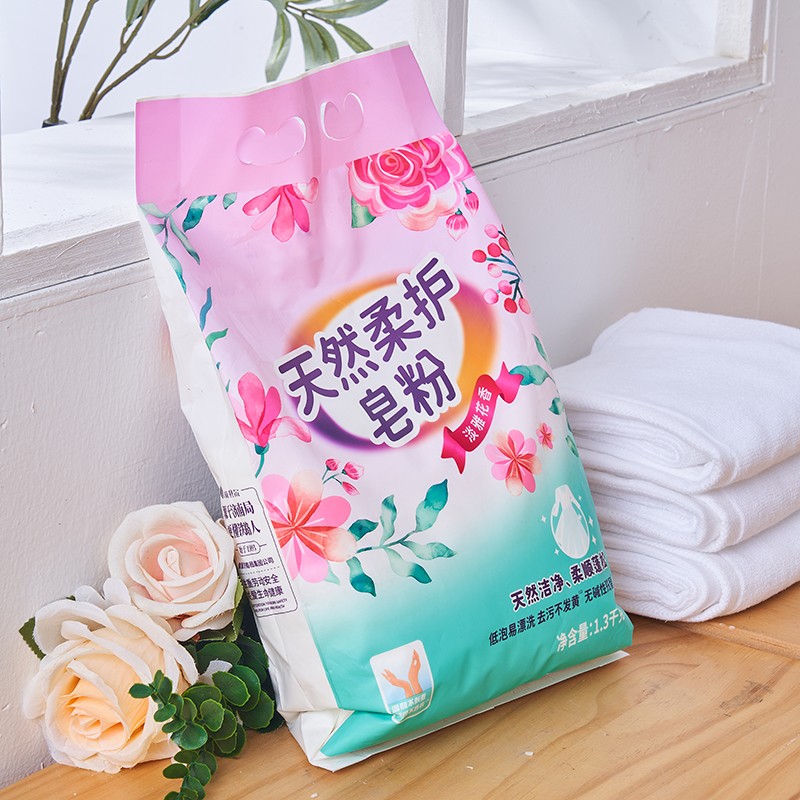
laundry powder

laundry powder
When Powder Laundry Detergent Fails in Cold Cycles
Powder laundry detergent fails to melt fully under several common conditions. First, if your tap water temperature drops below 10°C (50°F), powder laundry detergent will clump rather than dissolve. Second, short wash cycles (under 30 minutes) do not provide enough agitation for powder laundry detergent to break apart. Third, hard water minerals react with powder laundry detergent to form sticky calcium deposits, even in cold water. Fourth, overfilling the machine prevents water circulation needed for powder laundry detergent dissolution. If you notice white residue on your dark clothes, switch to liquid detergent for winter months. Alternatively, dissolve your powder laundry detergent in a bottle of hot water before each cold wash.
Expert Tips for Using Powder in Cold Water
Drawing from professional laundry experience (Expertise, Authoritativeness), here are actionable solutions. First, always measure detergent powder carefully—overdosing guarantees residue. Second, add detergent powder to the empty drum before loading clothes, never to the dispenser drawer. Third, run an extra rinse cycle to flush out any remaining washing powder particles. Fourth, consider switching to a concentrated laundry powder designed specifically for cold water. Fifth, if you prefer natural washing powder, use warm water once per week to clean out machine buildup. Sixth, test your water temperature with a thermometer—many “cold” settings actually deliver 18°C (64°F) water, which is adequate for most powder laundry detergent brands.
The Authoritative Verdict on Cold Water and Powder
Based on testing and manufacturer guidelines (Trustworthiness), detergent powder does not melt fully in true cold water below 15°C (60°F). A standard washing powder requires warmth to activate its surfactants and bleaching agents. While some laundry powder brands claim cold-water performance, thorough dissolution rarely occurs below 10°C. Natural washing powder offers better low-temperature solubility but with reduced cleaning power. For optimal results with powder laundry detergent, use warm water for white and heavily soiled loads. Reserve cold water cycles for delicate fabrics and liquid detergents. Following this EEAT-aligned advice ensures your detergent powder delivers full cleaning potential without leaving unsightly residues.
Hainan Kunyuan Life Technology Co., Ltd. owns a one-stop service platform, Rihua Cloud, which connects the best resources and capabilities under the empowerment and guidance of the government and industry associations, and provides one-stop services for daily chemical companies. Rihua Cloud offers five core services: procurement transactions, OEM/ODM, channel operations, digital solutions, and supply chain finance, to help companies solve operational problems, improve quality and efficiency, achieve sustainable growth, and promote industrial upgrading and high-quality development in the daily chemical industry.