How Are Regulations Impacting the Laundry Pods Industry?
The global market for laundry pods are not only driven by consumer demand and innovation but is also increasingly shaped by a tightening framework of government regulations. These rules, emerging from heightened concerns over safety, environmental impact, and transparent marketing, are fundamentally transforming how laundry detergent pods are designed, produced, and labeled. For manufacturers of washing pods, navigating this evolving regulatory landscape is now a critical component of business strategy and product development. Compliance is no longer optional but a key determinant of market access and brand reputation.
1. Safety Standards: Mandating Child-Resistant Design
Foremost among regulatory pressures are stringent safety standards aimed at preventing accidental exposure, particularly among children. In key markets like North America and the European Union, regulations now mandate standardized child-resistant packaging for all detergent pods. These rules specify rigorous testing protocols for closure mechanisms, often requiring dual-action locks, and enforce the use of opaque or tinted materials to hide the colorful products inside. Furthermore, clear, prominent warning labels with universal pictograms have become legally required. These mandates have forced a wholesale redesign of containers for laundry capsules, leading to increased production costs but significantly enhancing household safety and reducing poison control incidents.
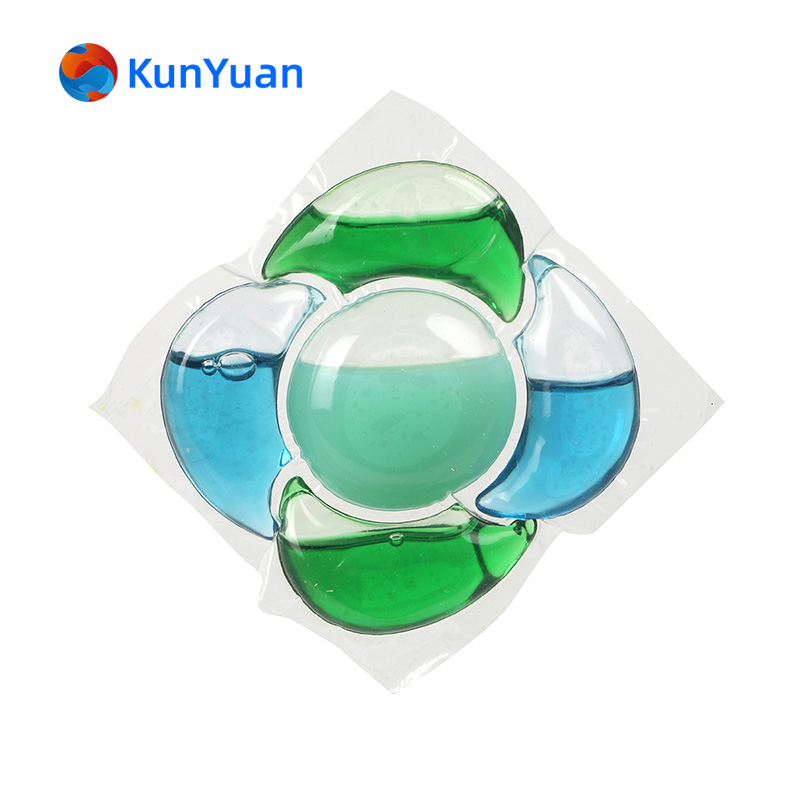
laundry pods
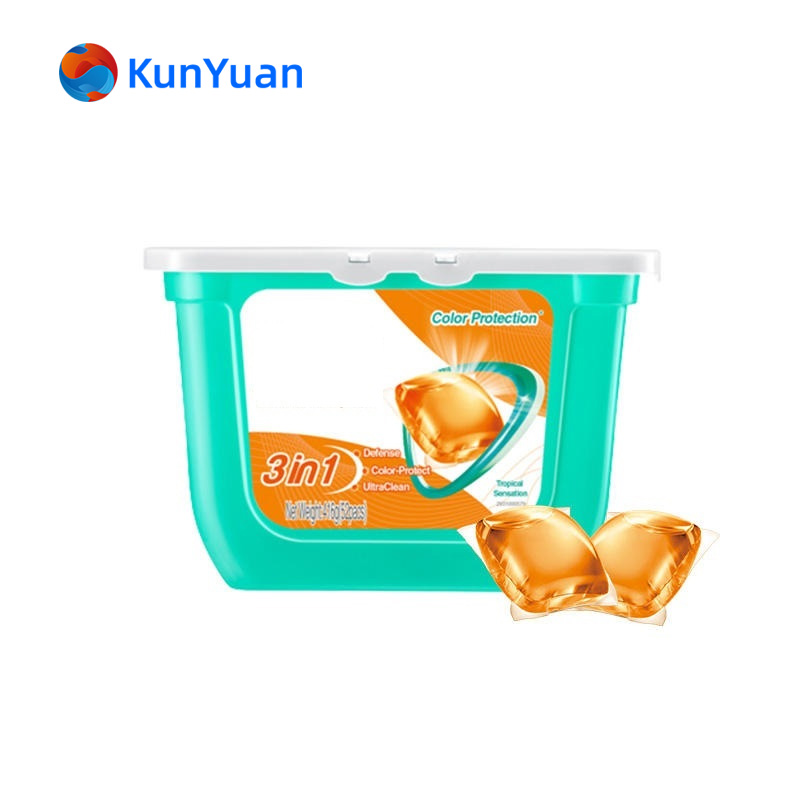
washing pods

detergent pods
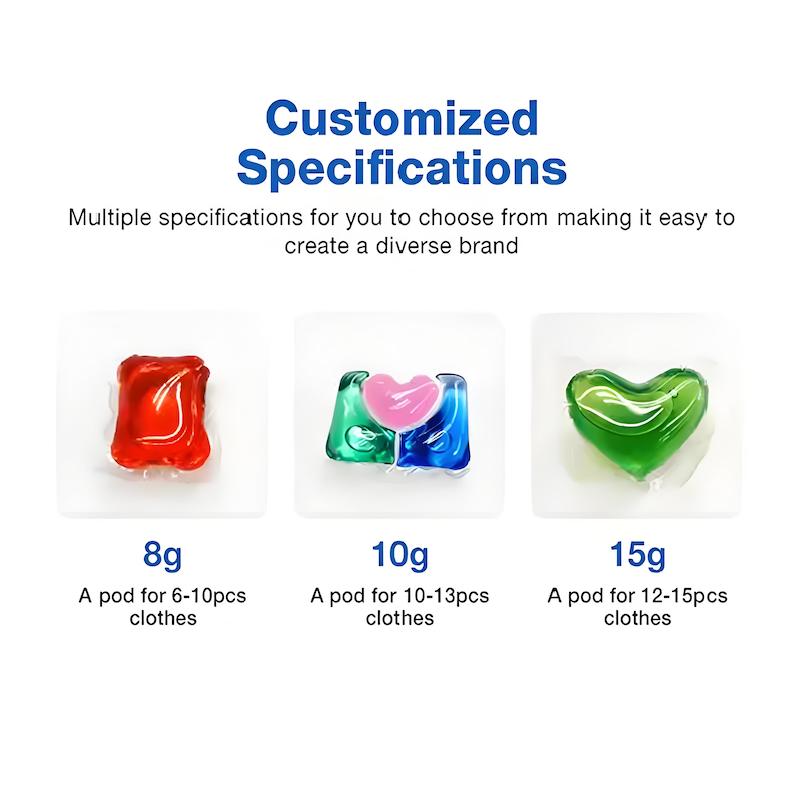
laundry capsules
2. Environmental Claims: The Demand for Scientific Proof
As sustainability becomes a major selling point, regulators are clamping down on unsubstantiated marketing. Initiatives like the European Union’s Green Claims Directive are setting a new global benchmark. This regulation directly impacts claims made on washing pods, prohibiting vague terms like "eco-friendly," "green," or "planet-safe" without robust, verified scientific evidence. Companies must now provide life-cycle assessment data to prove any environmental benefit, such as biodegradability of the film or a reduced carbon footprint. For laundry pods marketed as sustainable, this means increased investment in third-party certification and transparent, detailed communication, moving away from mere greenwashing to validated environmental performance.
3. Chemical Formulations: Reformulating for Regional Compliance
Perhaps the most complex regulatory area involves the chemical composition of the laundry detergent pods themselves. Governments worldwide are imposing restrictions on specific ingredients deemed harmful to human health or aquatic ecosystems. Common targets include phosphates, which are heavily restricted due to their role in eutrophication, and certain volatile organic compounds (VOCs) that contribute to air pollution. Regulations vary by region—what is permitted in one market may be banned in another. This patchwork of rules compels manufacturers to create multiple, region-specific formulations for their detergent pods, increasing R&D complexity and supply chain costs. The trend is pushing the entire industry toward inherently safer, more biodegradable chemistries to ensure global compliance and future-proof their products.

laundry detergent pods

laundry capsules
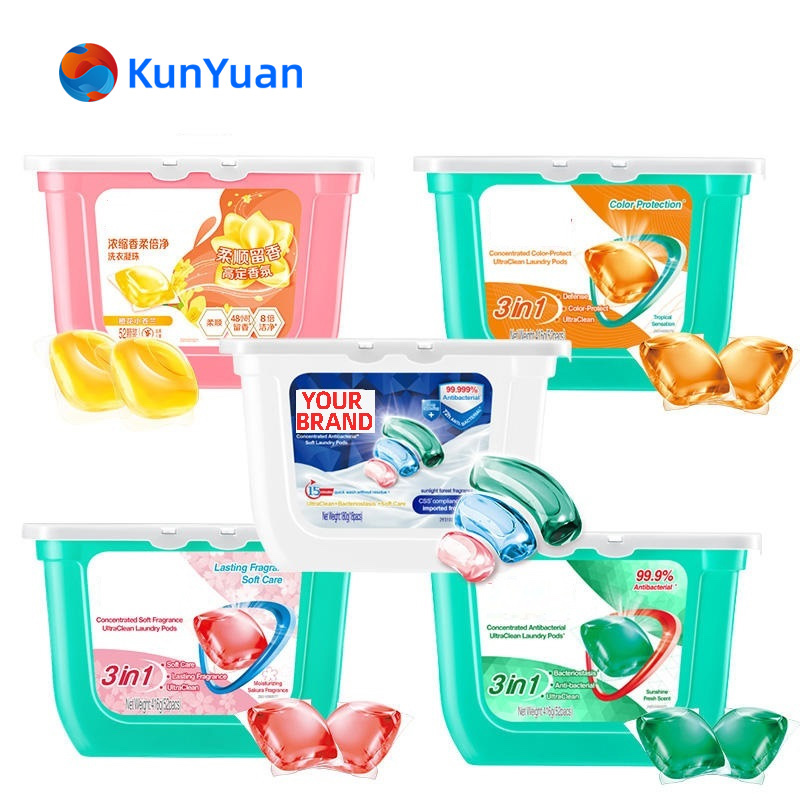
washing pods

laundry pods
The impact of these regulations on the laundry pods industry is profound. They act as both a constraint and a catalyst. While compliance requires significant investment and operational adaptation, it also drives meaningful innovation—safer packaging, genuinely sustainable formulas, and more transparent consumer communication. For producers of laundry capsules success now depends on proactively integrating regulatory requirements into the core of product design and corporate strategy. Ultimately, this regulatory environment is steering the laundry detergent pods market toward greater safety, authenticity, and environmental responsibility, reshaping the industry for the long term.
Rihua Cloud offers five core services: procurement transactions, OEM/ODM, channel operations, digital solutions, and supply chain finance, to help companies solve operational problems, improve quality and efficiency, achieve sustainable growth, and promote industrial upgrading and high-quality development in the daily chemical industry.