What Role Does Detergent Powder Play in Emerging Markets?
In the dynamic consumer landscapes of Southeast Asia, Africa, Latin America, and parts of South Asia, detergent powder remains not just a product, but a fundamental household staple. Unlike in mature Western markets where liquid detergents and pods have gained significant share, washing powder continues to dominate shelves and washing habits in these high-growth regions. Its enduring dominance is not a sign of market stagnation but a testament to its perfectly aligned value proposition, which is shaped by economic, cultural, and environmental factors. Understanding the role of powder laundry detergent provides critical insight into the consumption patterns and future trajectory of these vital global markets.
The Pillars of Popularity: Affordability, Durability, and Cultural Fit
The supremacy of laundry powder in emerging economies is built on three core pillars. First and foremost is affordability. For a vast portion of consumers with limited and often variable disposable income, the cost-per-wash value of detergent powder is unbeatable. It offers a highly concentrated cleaning agent that can be precisely measured—even in tiny amounts—to stretch a household budget. Second is physical durability and shelf life. In the hot, humid climates common to these regions, liquid detergents can degrade, separate, or leak, while washing powder remains stable, non-perishable, and easy to store in simple packaging, often without refrigeration. Third is cultural and practical compatibility. Hand-washing remains a widespread practice, especially in rural and peri-urban areas. Powder laundry detergent is perfectly suited for this method; it can be easily sprinkled, dissolved in buckets, and rubbed directly onto stains, a tactile process familiar to generations of consumers.
detergent powder
washing powder

laundry powder
Market Strategies: Localization and Accessible Packaging
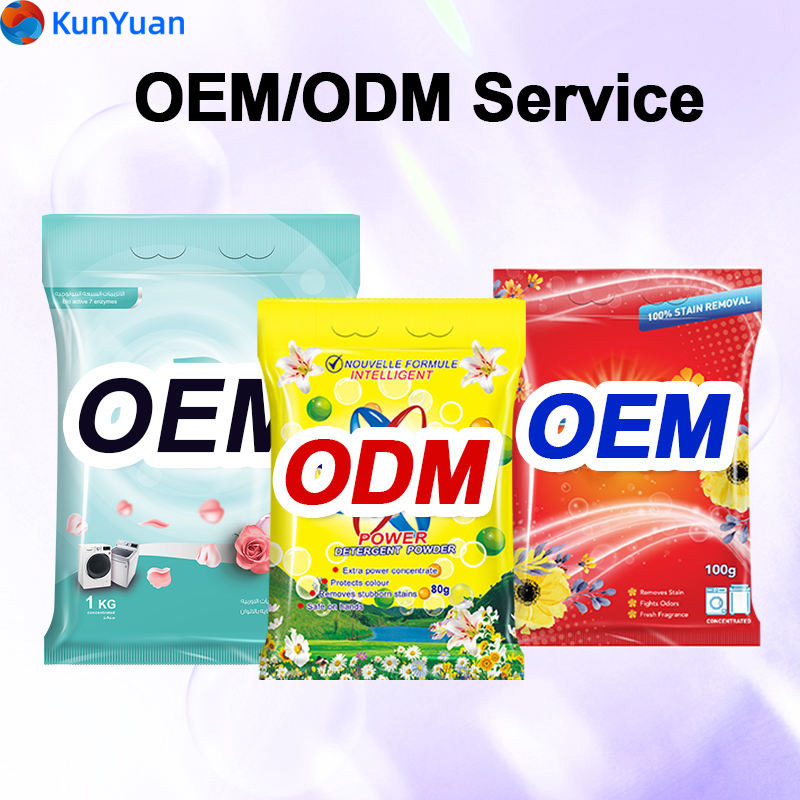
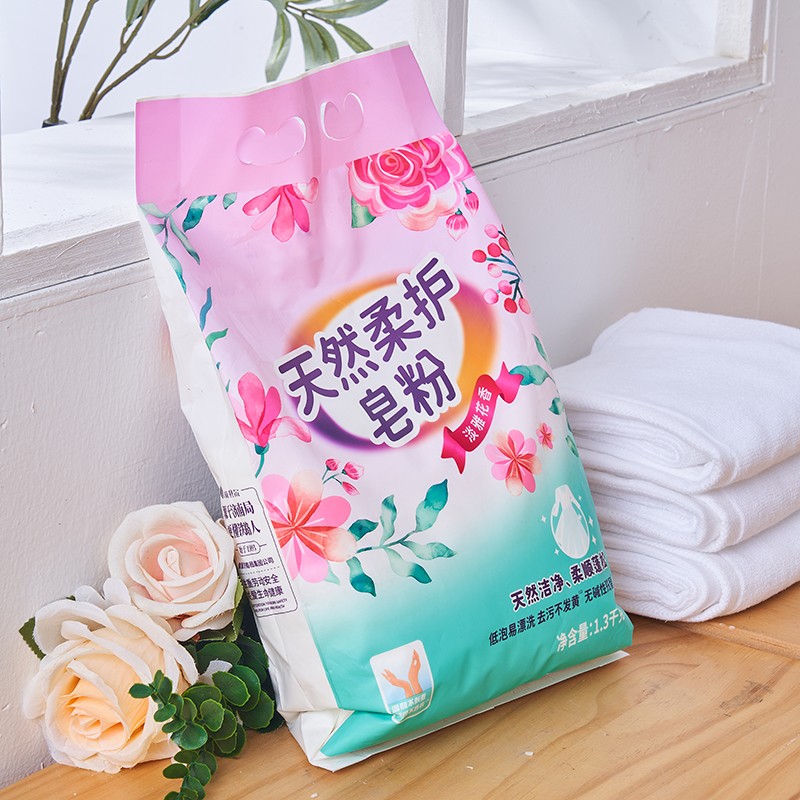
Recognizing these drivers, both multinational corporations and local manufacturers have developed sophisticated, localized strategies. A key tactic is the proliferation of single-use sachets and small pouch packs. These miniaturized formats of laundry powder make the product accessible to the lowest-income consumers, allowing for frequent, low-cash-outlay purchases—a critical feature in cash-based economies. Furthermore, local brands often tailor their washing powder formulations to tackle region-specific challenges, such as hard water, clay-based soil stains, or the need for vibrant whiteness in fabrics, which holds significant social and aesthetic value. The rise of natural washing powder variants, marketed with imagery of traditional ingredients like lemon or neem, also appeals to a growing segment seeking perceived purity and gentleness, often at a competitive price point.
Beyond Cleaning: Socio-Economic and Environmental Dimensions
The role of detergent powder extends beyond mere hygiene. Its production and distribution create significant local employment, from manufacturing plants to vast, fragmented retail networks involving small kiosks and street vendors. However, its prevalence also presents environmental challenges, particularly related to the phosphate content in some formulas (impacting water systems) and the plastic waste from sachets. This is driving innovation, with leading brands investing in compact, concentrated powders that use less packaging and phosphate-free formulas for natural washing powder lines, addressing both regulatory pressures and budding consumer awareness.
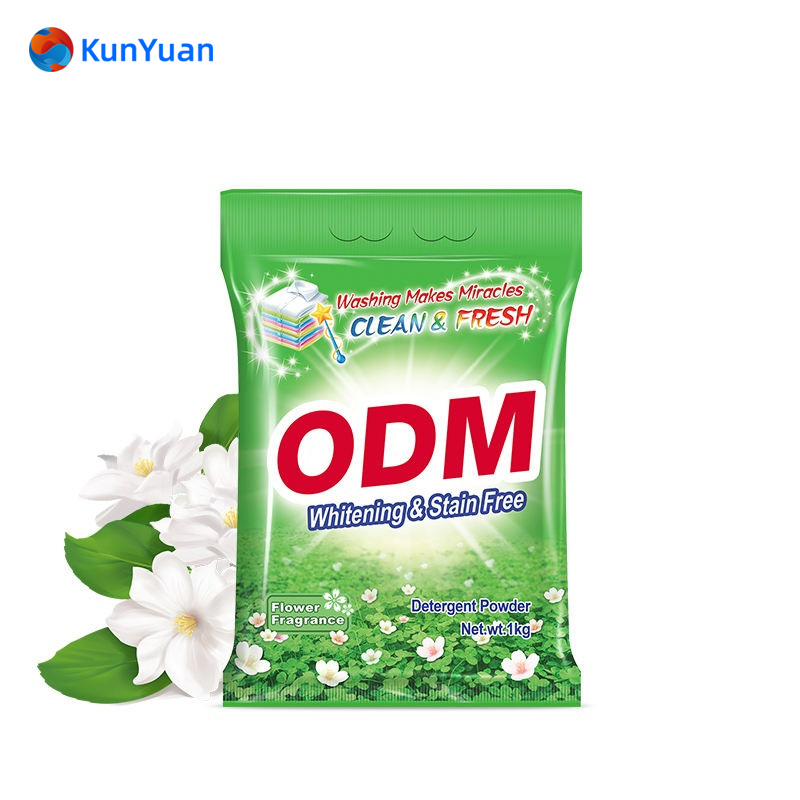
detergent powder
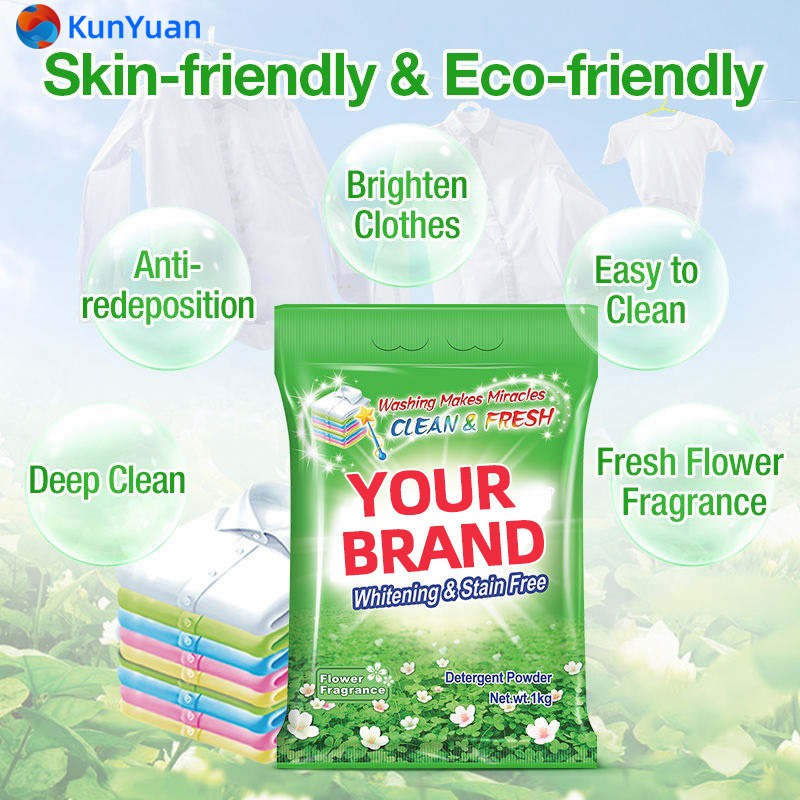
natural washing powder
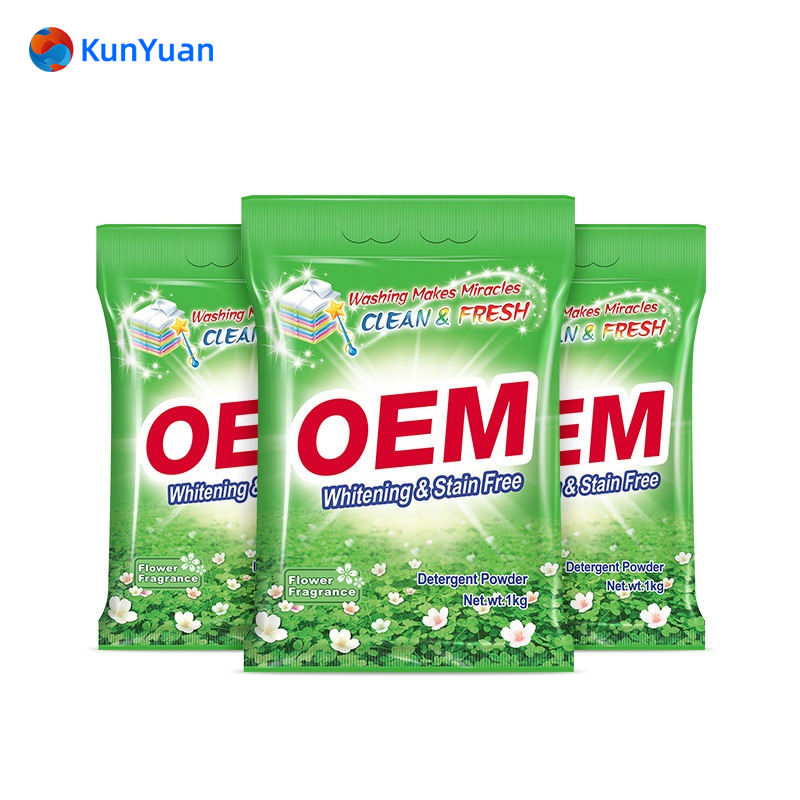
powder laundry detergent
The Future Trajectory: Evolution, Not Displacement
While liquid detergents are growing in urban centers among the rising middle class, powder laundry detergent is far from being displaced. Its future lies in evolution. We will see more advanced, super-concentrated powders, improved solubility for cooler water washes, and stronger segmentation—from ultra-low-cost basic powders to premium natural washing powder brands with added benefits. The product will continue to be the backbone of laundry care in these markets, continually adapting to meet the nuanced needs of billions of consumers.
In emerging markets, detergent powder is much more than a cleaning commodity. It is an economically rational choice, a culturally compatible tool, and a strategically vital product category for manufacturers. Its enduring role is secured by its unparalleled affordability, resilience in local conditions, and deep alignment with daily life. As these economies grow, washing powder and laundry powder will continue to innovate, ensuring they remain the dominant and responsive solution for hygiene and fabric care for the foreseeable future.