Why Is Detergent Powder Regaining Popularity in Eco-Conscious Markets?
In an era defined by heightened environmental awareness, consumer preferences are shifting toward sustainable alternatives in every sector, including home care. A notable trend is the remarkable resurgence of detergent powder in markets where eco-consciousness drives purchasing decisions. Once perceived as a traditional or outdated format compared to liquid detergents and pods, washing powder is now being re-evaluated for its inherent environmental advantages. This revival is not a step backward but a smart, forward-looking choice fueled by tangible ecological benefits and continuous product innovation.
The Environmental Toll of Liquid and Pod Formats
The initial shift toward liquid detergents and single-use pods was largely driven by marketing claims of convenience and superior performance. However, growing consumer awareness has revealed significant environmental drawbacks. Liquid detergents are predominantly packaged in heavy, high-density polyethylene (HDPE) plastic bottles, which often end up in landfills or oceans, contributing to the global plastic pollution crisis. Similarly, while convenient, many laundry pods rely on single-use plastic wrappers or non-recyclable composite packaging. Furthermore, these formats contain up to 90% water, resulting in a heavier product that increases carbon emissions during transportation. This realization has prompted eco-minded consumers to seek a truly eco friendly washing powder alternative, leading them back to the powder format.
Inherent Sustainability Advantages of Powder Detergents
Detergent powder offers foundational sustainability benefits that align perfectly with modern environmental values. Firstly, its minimal plastic packaging is a major advantage. Most washing powder is sold in lightweight cardboard boxes, which are widely recyclable, compostable, and use significantly less plastic than liquid detergent bottles. Secondly, the dramatically lower carbon footprint in logistics cannot be overstated. Because powder is concentrated and contains little to no water, it is far lighter and more compact to ship than its liquid counterparts. This reduces fuel consumption and greenhouse gas emissions across the supply chain, from manufacturing to the store shelf.

laundry powder
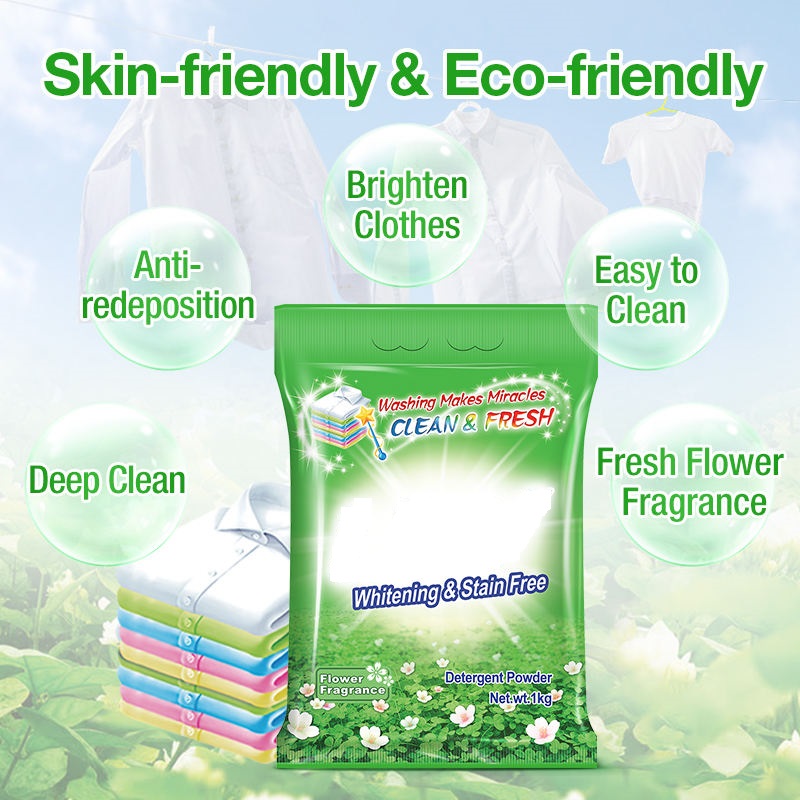
eco friendly washing powder
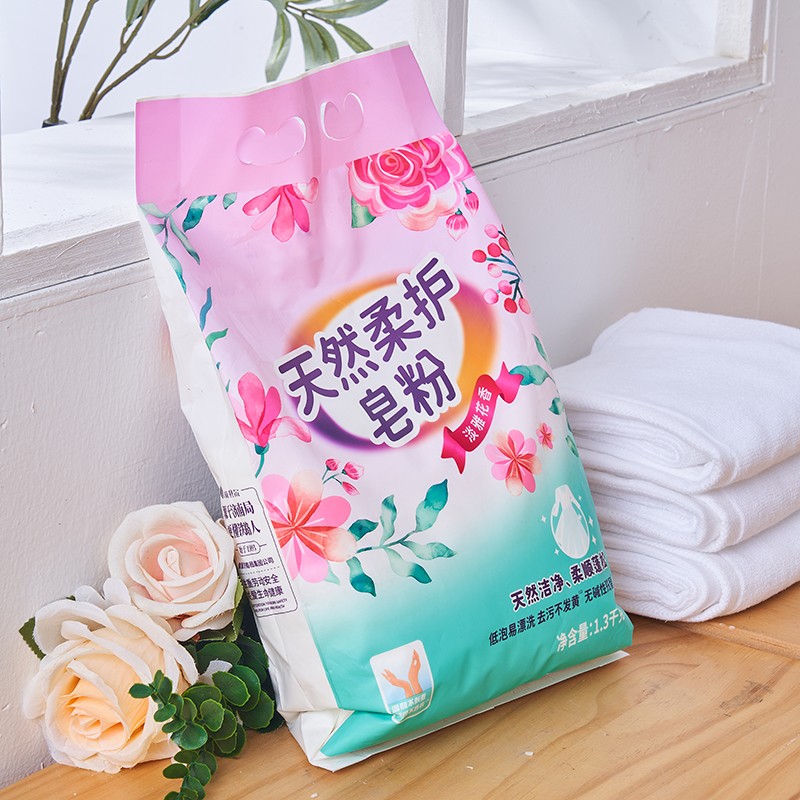
natural washing powder
Innovation Enhancing the Green Profile
Today's laundry powder is not the same product from decades past. Modern innovation has dramatically enhanced its environmental and functional appeal. Key advancements include:
Ultra-Concentrated Formulas: Leading brands have developed highly concentrated detergent powder that requires smaller doses per load. This reduces packaging waste even further and maximizes the number of washes per package.
Plant-Based and Biodegradable Ingredients: The rise of natural washing powder formulations replaces petroleum-based surfactants and synthetic chemicals with ingredients derived from coconut, corn, or other renewable resources. These plant-powered cleaners are effective and biodegradable, minimizing their impact on aquatic ecosystems.
Phosphate-Free and Vegan Formulations: To meet strict regulations and ethical consumer demands, many powders are now phosphate-free and certified vegan, avoiding animal-derived ingredients and testing.
Meeting the Modern Consumer's Expectations
The contemporary eco friendly washing powder successfully bridges the gap between sustainability and performance. It delivers powerful cleaning, often with built-in stain fighters and brighteners, while operating efficiently in both high-efficiency and conventional washing machines. Its suitability for cold-water washing further reduces household energy consumption. For the conscious consumer, choosing a natural washing powder represents a practical, impactful step toward reducing plastic waste, lowering their carbon footprint, and supporting a circular economy—all without compromising on clean laundry.
detergent powder
washing powder
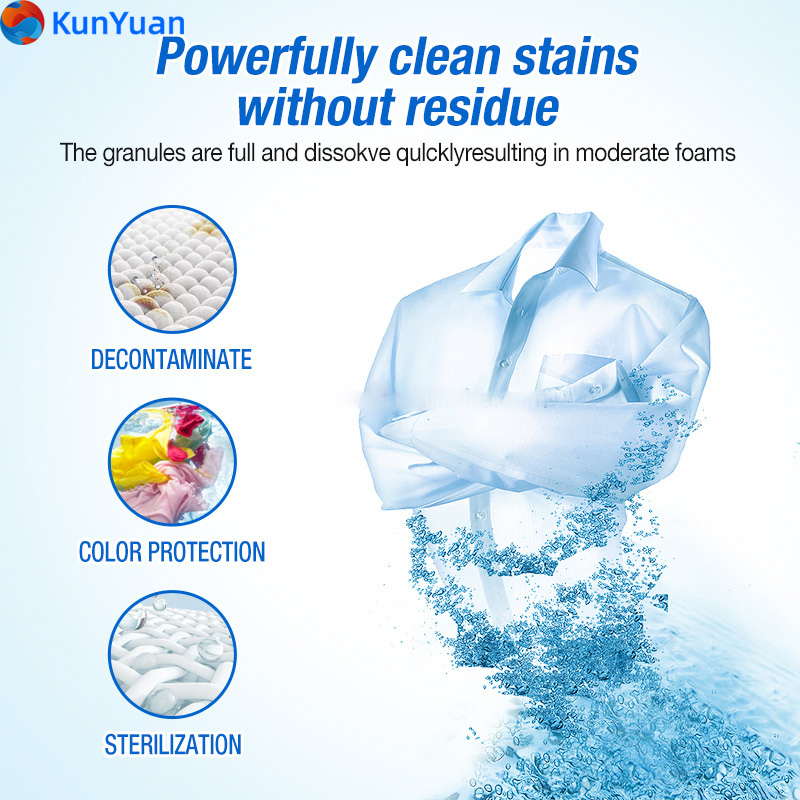
laundry powder
The resurgence of detergent powder in eco-conscious markets is a logical and significant development. Driven by a rejection of plastic-heavy liquid and pod formats and attracted by powder's inherent logistical efficiency and recyclable packaging, consumers are making a deliberate sustainable choice. Enhanced by innovations in concentration and green chemistry, modern laundry powder and washing powder formulations stand as compelling, effective, and responsible solutions. This trend underscores a broader shift in consumer behavior, where environmental impact is weighed equally with convenience, positioning eco friendly washing powder as a key player in the future of sustainable living.