Does Chemical Detergent Powder Harm Skin?
1. Understanding the Composition of Chemical Detergent Powder
Modern detergent powder is a complex blend of chemical compounds designed to remove dirt, oils, and stains from fabric. A typical detergent powder contains surfactants (such as linear alkylbenzene sulfonates), builders (like sodium carbonate or zeolites), bleaches (including sodium percarbonate), enzymes (proteases and amylases), and optical brighteners. While these ingredients are effective at cleaning, they also have the potential to interact with human skin. When detergent powder is used in a washing machine, some residues may remain on clothing fibers even after the rinse cycle. These residues then come into direct contact with the skin for extended periods. For individuals with sensitive skin or pre-existing dermatological conditions, this continuous exposure to chemical detergent powder can lead to irritation, dryness, or allergic reactions. Understanding what is inside your detergent powder is the first step toward protecting your skin health.
2. How Washing Powder Residues Trigger Skin Irritation
The primary mechanism by which washing powder harms skin involves incomplete rinsing and subsequent residue deposition. Washing powder particles are larger than those found in liquid detergents, which can make them more difficult to rinse out completely, especially in cold water cycles or short wash programs. When washing powder residues remain on fabrics such as underwear, bedsheets, or towels, the alkaline surfactants and enzymes continue to act on the skin. The stratum corneum, which is the outermost protective layer of the skin, relies on natural lipids and a slightly acidic pH to function properly. Alkaline residues from washing powder can disrupt this pH balance, stripping away protective oils and allowing moisture to escape. Over time, this disruption manifests as dry, flaky, or red patches. In more severe cases, direct contact with residual washing powder enzymes can degrade skin proteins, leading to true allergic contact dermatitis.
3. Laundry Powder and the Risk of Allergic Contact Dermatitis
Not all reactions to laundry powder are simple irritant contact dermatitis. Some individuals develop genuine allergic contact dermatitis to specific ingredients found in standard laundry powder. Common allergens in laundry powder include fragrance mixes, preservatives such as methylisothiazolinone, and certain optical brighteners. Unlike irritant reactions that occur immediately after exposure, allergic responses typically appear 24 to 72 hours later. Symptoms include intense itching, small fluid-filled blisters, and widespread redness beyond the area of direct contact. Diagnosis often requires patch testing performed by a dermatologist. If you have been using the same laundry powder for months or years and suddenly develop a rash, you may have acquired a new allergy to one of its components. In such cases, switching to a different formulation or a hypoallergenic laundry powder is often the first line of treatment.

detergent powder
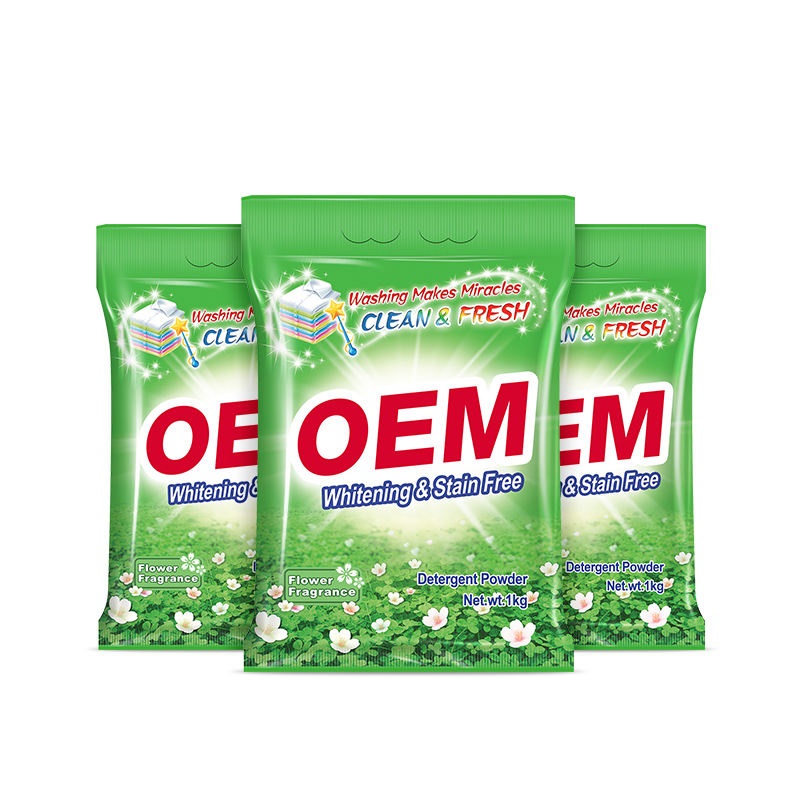
washing powder
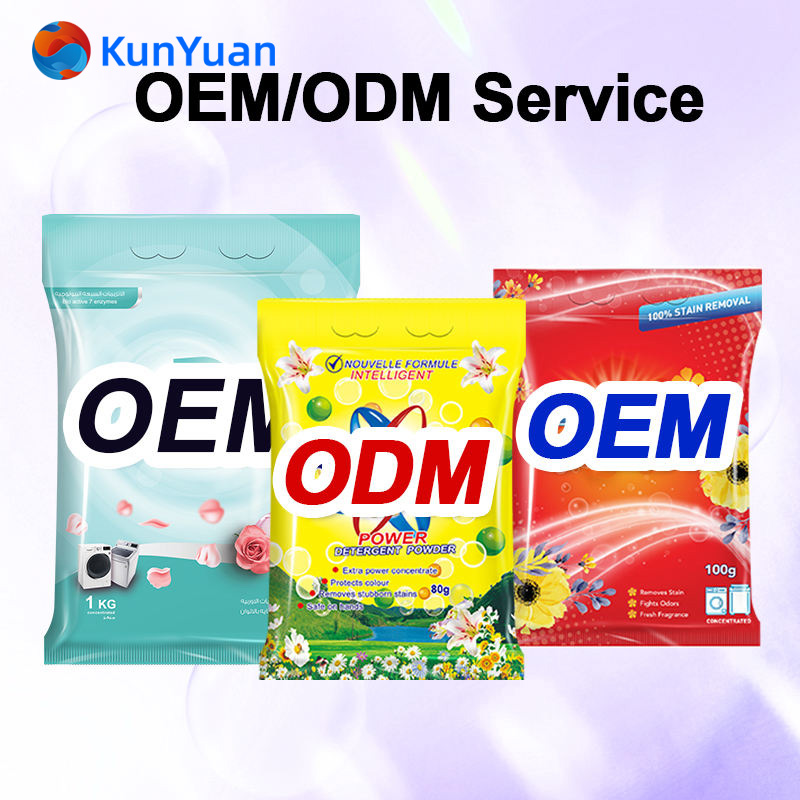
natural washing powder
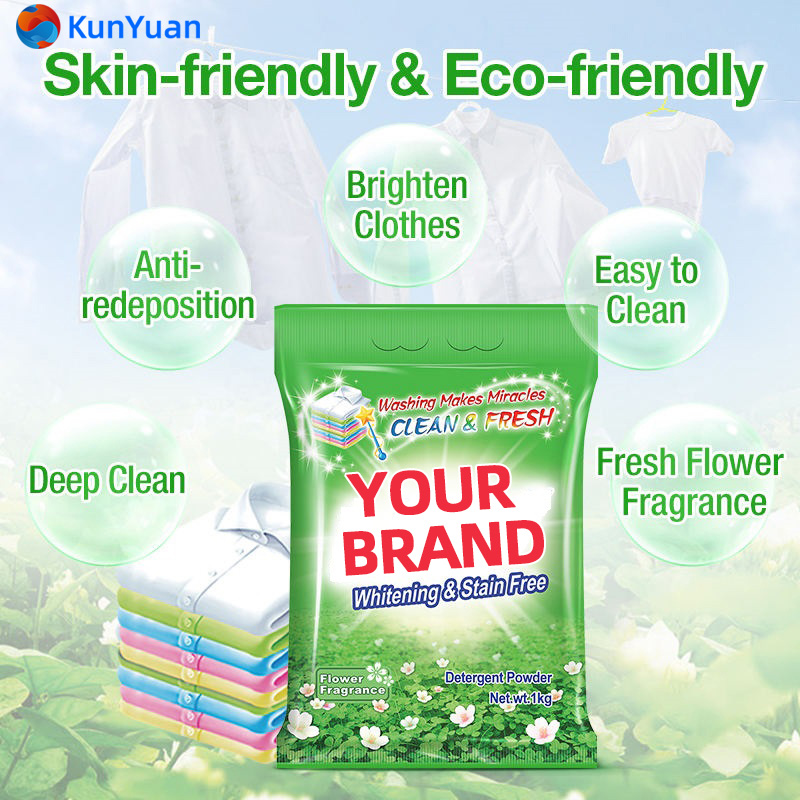
natural washing powder
4. The Protective Benefits of Natural Washing Powder
For individuals concerned about skin harm from conventional products, natural washing powder offers a compelling alternative. Natural washing powder typically excludes synthetic fragrances, artificial optical brighteners, phosphates, and harsh preservatives. Instead, natural washing powder relies on plant-based surfactants (such as soap nuts or coconut oil derivatives), mineral salts (like sodium bicarbonate or borax), and sometimes essential oils for mild fragrance. Clinical observations suggest that switching to natural washing powder reduces skin complaints in a significant percentage of sensitive individuals. Furthermore, natural washing powder often has a neutral or mildly acidic pH, which is far less disruptive to the skin barrier compared to the alkaline nature of conventional detergent powder. However, it is important to note that even natural washing powder can cause reactions in individuals allergic to specific botanical ingredients. Always perform a patch test before fully adopting any new natural washing powder.
5. Powder Laundry Detergent: Safe Usage Guidelines for Sensitive Skin
Using powder laundry detergent does not automatically guarantee skin harm. With proper precautions, even conventional powder laundry detergent can be used safely by most individuals. First, always dissolve powder laundry detergent completely before adding clothes, or use the machine's pre-dissolve function if available. Undissolved crystals of powder laundry detergent can become trapped in seams and cuffs, causing localized irritation. Second, select an extra rinse cycle for every load of laundry, particularly for bedding, underwear, and athletic wear. This simple step removes up to ninety-nine percent of residual powder laundry detergent. Third, consider using half the manufacturer's recommended dose, as most households use significantly more powder laundry detergent than necessary. Fourth, store powder laundry detergent in a dry environment to prevent clumping, which leads to uneven distribution and residue problems. Finally, for individuals with diagnosed skin conditions, switch to a fragrance-free, dye-free powder laundry detergent specifically labeled for sensitive skin.
6. Clinical Recommendations: When to Avoid Chemical Detergent Powder
Certain populations should exercise extreme caution with conventional detergent powder or avoid it entirely. Infants have immature skin barriers that are significantly more permeable to irritants found in standard detergent powder. The elderly often experience age-related thinning of the skin and reduced lipid production, making them more susceptible to washing powder residues. Patients with active eczema, psoriasis, or any form of contact dermatitis are at the highest risk. For these groups, dermatologists frequently recommend switching exclusively to natural washing powder or to liquid detergents specifically formulated for sensitive skin. If symptoms such as persistent itching, unexplained rashes, or severe dryness develop after using any powder laundry detergent, discontinue use immediately and consult a healthcare provider. An elimination diet for laundry products—testing one product at a time over two-week intervals—can help identify the specific laundry powder responsible for your symptoms. Remember, effective cleaning does not require skin damage. With the right detergent powder choices and usage habits, you can maintain both clean clothes and healthy skin.
Hainan Kunyuan Life Technology Co., Ltd. owns a one-stop service platform, Rihua Cloud, which connects the best resources and capabilities under the empowerment and guidance of the government and industry associations, and provides one-stop services for daily chemical companies. Rihua Cloud offers five core services: procurement transactions, OEM/ODM, channel operations, digital solutions, and supply chain finance, to help companies solve operational problems, improve quality and efficiency, achieve sustainable growth, and promote industrial upgrading and high-quality development in the daily chemical industry.