How Do Enzymes Improve Laundry Pod Performance?
As consumers increasingly look for convenient and effective laundry solutions, enzyme technology is becoming an important part of modern detergent formulation. In particular, laundry pods can benefit from carefully selected enzymes because different enzymes target different types of stains. Research has shown that adding suitable enzymes can significantly improve detergent performance against specific soils.
Protease Targets Protein Stains
One of the most widely used enzymes in laundry pods are protease. It helps break down protein-based residues such as sweat, food, milk, and other organic stains into smaller components that can be more easily removed during washing. For washing pods, this function is particularly useful because a compact dose needs to deliver strong cleaning performance within one wash cycle. Rather than simply increasing the amount of detergent, formulators can combine surfactants with targeted enzymes to improve stain removal efficiency.
Lipase Helps Remove Oily Residues
Oily stains can be difficult to remove because grease and sebum tend to adhere strongly to textile fibers. Lipase addresses this challenge by breaking down triglyceride-based soils. Studies on detergent formulations have found that lipase can improve oil removal when used together with detergent ingredients.
This makes enzyme selection especially important for laundry detergent pods designed for everyday clothing, workwear, kitchen textiles, or other fabrics exposed to oily residues. A balanced enzyme system can help laundry detergent pods deliver more consistent results without relying entirely on higher concentrations of conventional cleaning chemicals.
Amylase Supports Food-Stain Removal
Starch-based stains from foods such as sauces, potatoes, rice, and pasta can also remain on fabrics after washing. Amylase helps break down starch molecules, making them easier for the rest of the detergent system to remove. For laundry washing pods, combining amylase with protease and other enzymes can create a broader stain-removal system. Research has also reported synergy between protease and amylase in detergent formulations, showing why the right combination can be more valuable than simply increasing one enzyme.
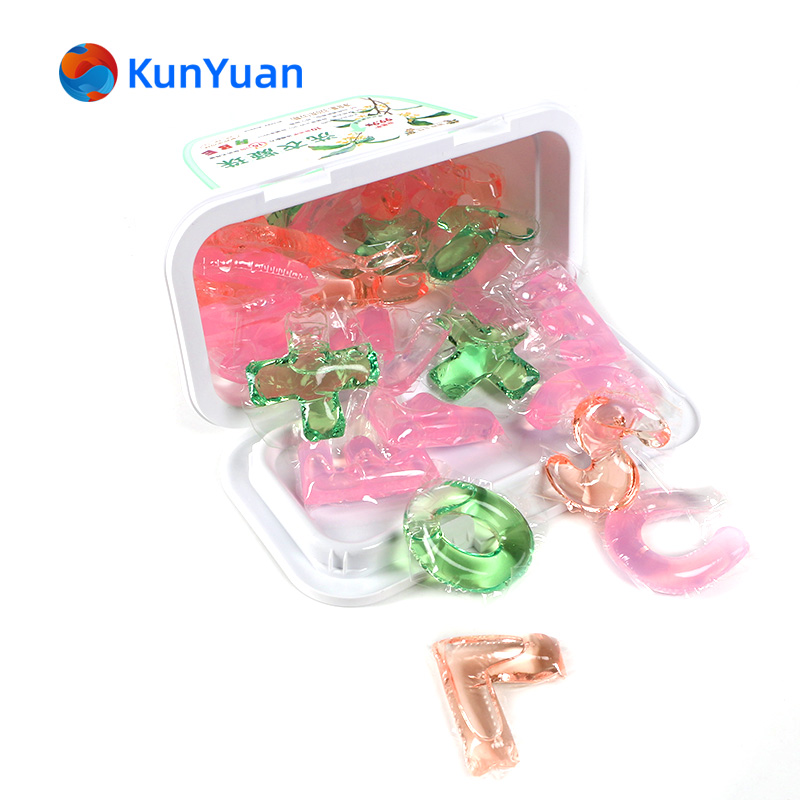
laundry pods
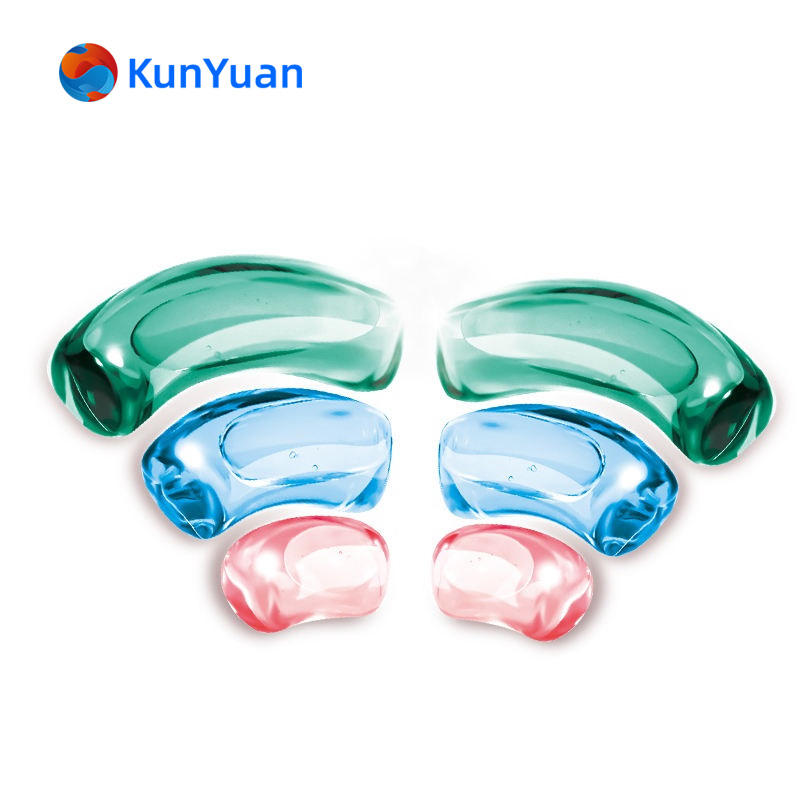
washing pods
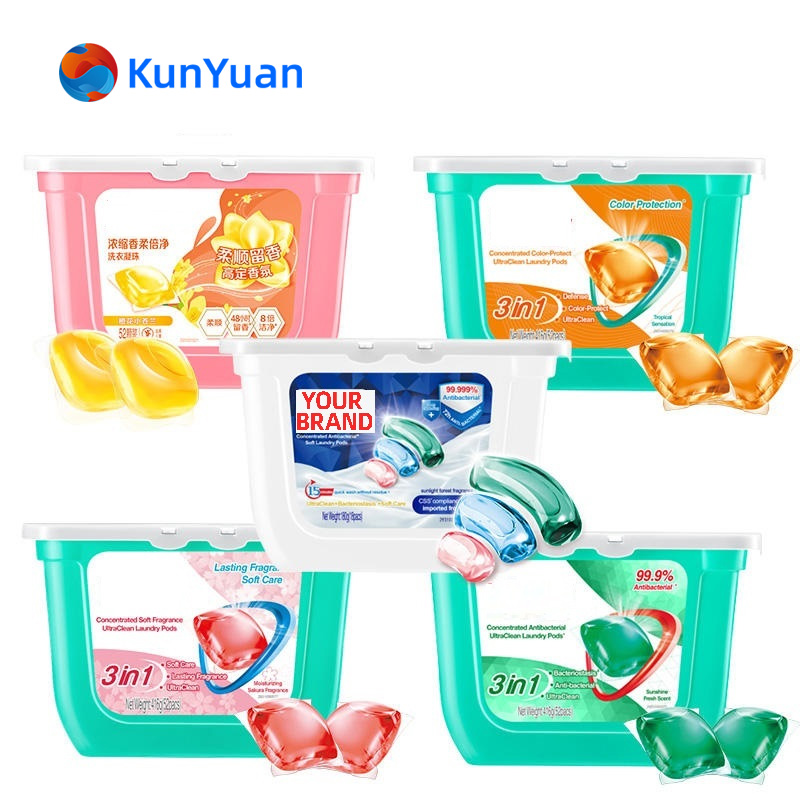
laundry detergent pods
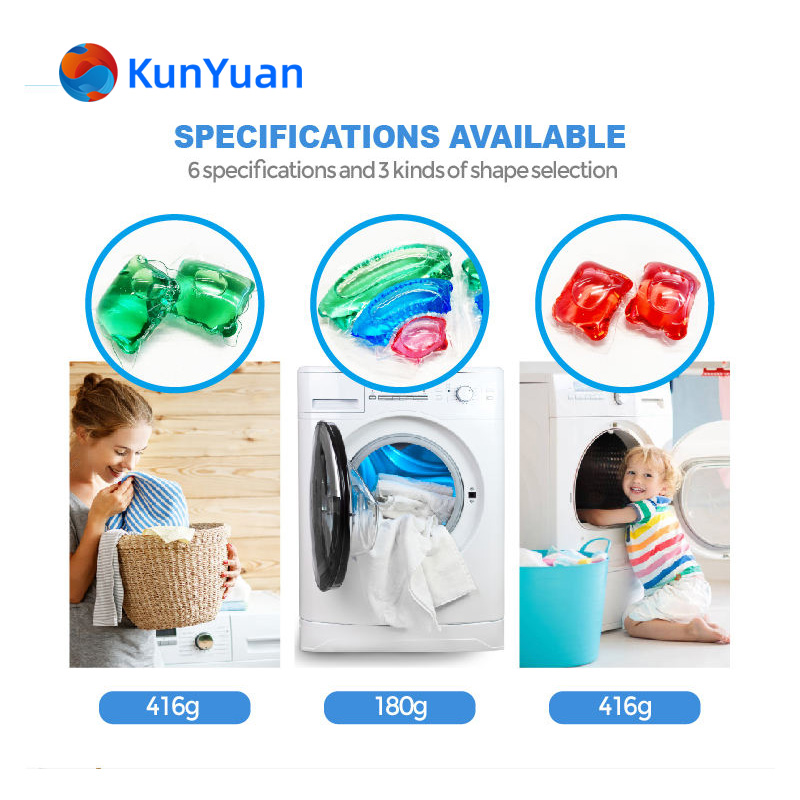
laundry washing pods
Enzymes Can Support Lower-Temperature Washing
Another advantage of enzymes is their ability to contribute to cleaning under relatively mild washing conditions. The American Cleaning Institute notes that enzymes can support low-temperature washing and work effectively at low concentrations. This characteristic creates opportunities for washing pods formulated for modern washing habits. When consumers choose shorter or cooler cycles, enzyme systems can help maintain cleaning performance. As a result, laundry pods may increasingly focus on enzyme stability and activity rather than simply increasing detergent dosage.
Formulation Balance Is Essential
Enzymes are powerful, but more is not automatically better. Their performance depends on factors such as pH, temperature, surfactant compatibility, storage stability, and the specific soil being treated. Recent research highlights formulation stability as one of the key technical challenges for detergent enzymes.
For scented laundry pods, this means fragrance, enzymes, surfactants, builders, and other ingredients must remain compatible throughout storage and washing. A successful scented laundry pods formula should maintain both cleaning activity and its intended fragrance experience instead of allowing one component to negatively affect another.
Better Enzyme Systems Can Create Product Differentiation
The future development of laundry washing pods are likely to move toward more specialized enzyme combinations. Products could be formulated around different consumer needs, such as protein-stain removal, grease cleaning, food stains, fabric care, or lower-temperature washing.
For manufacturers such as Hainan Kunyuan Life Technology Co., Ltd, enzyme selection can therefore become part of broader product development and formulation customization. Instead of treating laundry detergent pods as simple pre-measured detergent, manufacturers can develop more targeted solutions based on washing conditions and consumer expectations.
The Future of Enzyme-Enhanced Pods
Enzymes are helping transform laundry pods from a convenient detergent format into a more technically optimized cleaning solution. Protease, lipase, and amylase each address different stain categories, while carefully balanced formulations can improve overall washing performance.
As the market develops, washing pods and scented laundry pods will likely place greater emphasis on targeted cleaning, formulation stability, and performance in cooler wash conditions. The key opportunity is not simply adding more enzymes, but selecting the right enzyme system for the right cleaning challenge.
Hainan Kunyuan Life Technology Co., Ltd. owns a one-stop service platform, Rihua Cloud, which connects the best resources and capabilities under the empowerment and guidance of the government and industry associations, and provides one-stop services for daily chemical companies. Rihua Cloud offers five core services: procurement transactions, OEM/ODM, channel operations, digital solutions, and supply chain finance, to help companies solve operational problems, improve quality and efficiency, achieve sustainable growth, and promote industrial upgrading and high-quality development in the daily chemical industry.