What Are the Best Practices for Degreasing Kitchen Floors?
Maintaining a clean kitchen floor is essential for both hygiene and safety, yet grease—a slippery, stubborn, and often invisible contaminant—poses a unique challenge. Unlike ordinary dirt, grease forms a tenacious film that can attract more grime and create a hazardous slip risk. Employing the correct methodology with the right kitchen cleaner is crucial for effective and safe degreasing. This guide outlines professional best practices to transform this demanding task from a chore into an efficient, routine operation that protects your floor's finish and your household's well-being.
Phase 1: Assessment and Preparation – The Critical First Step
The initial phase determines your entire approach. First, identify your floor type (sealed hardwood, laminate, vinyl, tile with sealed or unsealed grout, concrete). Using an inappropriate kitchen degreaser can cause permanent damage, such as stripping sealants or discoloring porous materials. Always consult the manufacturer's cleaning recommendations. Next, clear the area of movable items like rugs, chairs, and trash cans. Perform a dry pre-cleaning: thoroughly sweep, vacuum, or dry mop to remove loose debris, crumbs, and dust. Degreasing a dirty floor merely spreads grit and creates a greasy mud, complicating the process. For grease splatter on surrounding baseboards or lower cabinet doors, a targeted degreaser for cabinets can be used separately to avoid cross-contamination of your floor solution.
Phase 2: Selecting and Applying the Correct Degreasing Agent
Not all cleaners are created equal. For routine maintenance of lightly soiled floors, a pH-neutral all-purpose kitchen cleaner may suffice. However, for noticeable grease buildup—common near stoves, sinks, and trash receptacles—a dedicated kitchen grease cleaner is necessary. Look for formulations labeled for floor use, often as "floor degreasers" or "grease-cutting cleaners." These are designed to emulsify fats without damaging floor finishes. For severe, neglected buildup, a concentrated kitchen grease remover may be required. Always dilute concentrated products according to label instructions; using them full-strength can leave residues that attract dirt and damage surfaces.
Best Practice Application: Apply the diluted kitchen degreaser solution to a small, inconspicuous area first to test for any adverse reaction. For general cleaning, use a bucket and a microfiber mop or a durable scrub brush for grout lines. For heavy grease, allow the solution to dwell on the floor for 5-10 minutes. This dwell time is non-negotiable; it allows the chemistry of the kitchen grease cleaner to break down the molecular bonds of the grease, loosening it from the floor surface. Do not allow the solution to dry.

degreaser for cabinets
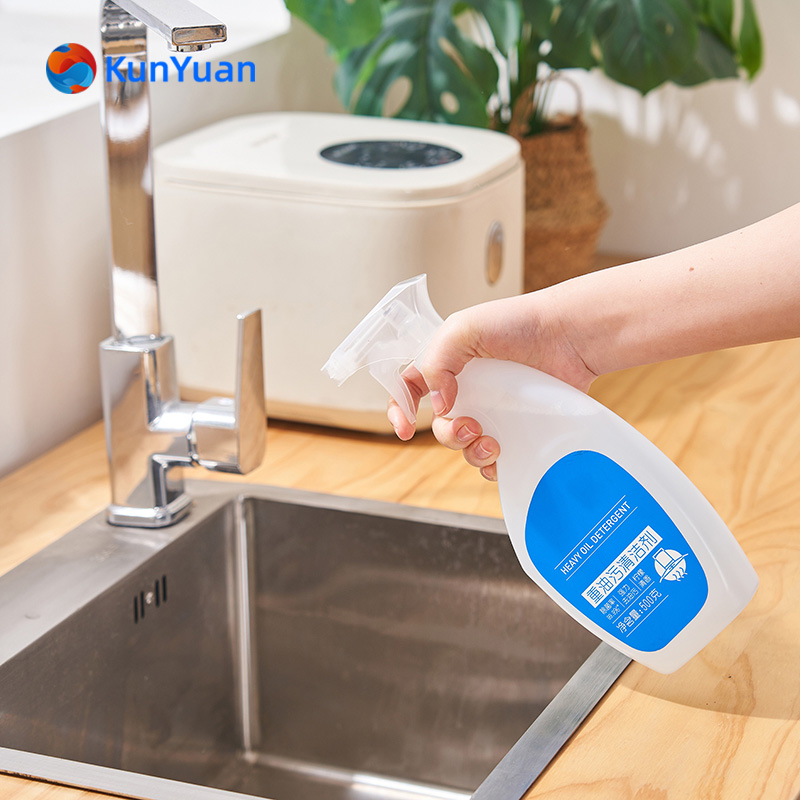
kitchen cleaner
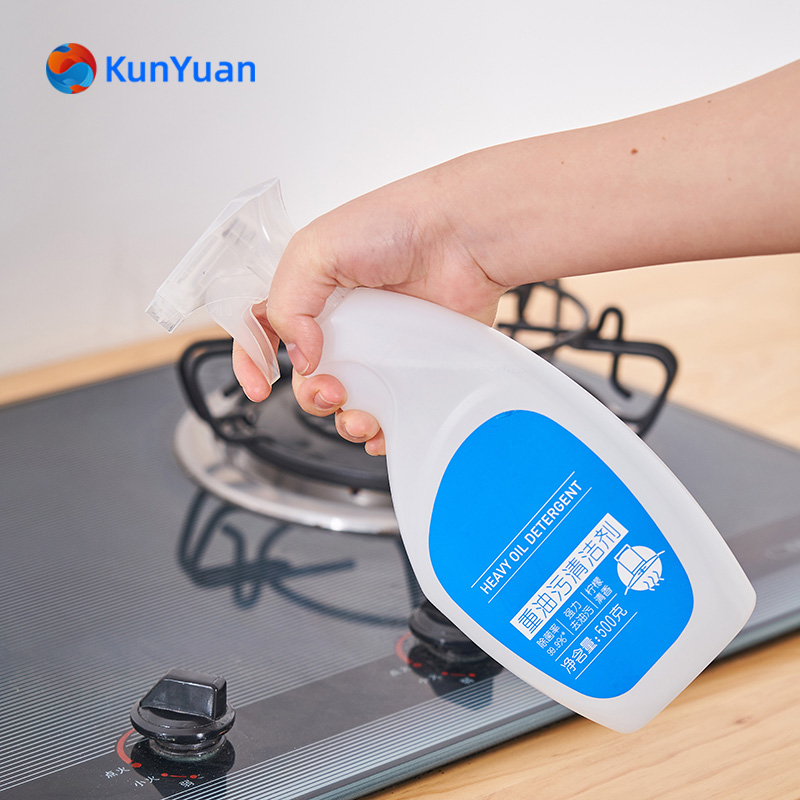
kitchen degreaser
Phase 3: Agitation, Extraction, and Thorough Rinsing
After the dwell time, agitate the area. For large, open floors, use a deck brush or an auto-scrubber-style mop with microfiber pads. For grout lines and corners, a stiff-bristled grout brush or a handheld scrub brush is essential. The goal is to dislodge the now-emulsified grease from the floor's pores and texture. Following agitation, extract the dirty solution. The most effective method is using a wet vacuum or a mop and bucket system with a wringer. Crucially, change the rinse water frequently. Mopping with dirty water simply redeposits grease. This is where a dedicated kitchen grease remover proves its value, as it is formulated to keep grease suspended in the solution for easier pickup rather than redepositing.
The final and most overlooked step is thorough rinsing. Residue from any kitchen degreaser, if left behind, will become sticky and attract dirt rapidly, negating your efforts. Rinse the floor at least twice with clean, warm water and a clean mop head or fresh mop pads. For optimal results, a final pass with a clean, damp microfiber mop can ensure no residue remains.
Phase 4: Drying, Maintenance, and Preventive Strategies
Allow the floor to air dry completely before replacing furniture or allowing foot traffic. Use floor fans or open windows to expedite drying and prevent slips. To maintain a grease-free floor, establish a proactive regimen. Implement daily dry cleaning (sweeping), weekly damp mopping with a suitable kitchen cleaner, and a deep degreasing session with a kitchen grease cleaner monthly or quarterly, depending on your cooking habits. Place high-quality mats in high-splash zones (in front of the sink and stove) to capture grease and moisture. Promptly clean up any visible oil or grease spills with an appropriate degreaser for cabinets or floors before they are tracked around and ground in.
A Systematic Approach for Safety and Longevity
Degreasing kitchen floors is not about finding a single "miracle" product but about implementing a systematic best-practice protocol. It involves the critical steps of identification and preparation, selecting a task-specific kitchen grease remover, respecting chemical dwell time, employing mechanical agitation, and committing to a thorough rinse and dry. By moving beyond a simple "mop and go" mentality to this detailed approach, you ensure the removal of hazardous slip-inducing films, protect your flooring investment from long-term damage, and maintain a hygienic foundation for your entire kitchen. Consistency in this practice, using the correct kitchen degreaser for each phase of cleaning, is the definitive strategy for a floor that is truly clean, safe, and preserved.

kitchen grease cleaner

kitchen grease remover

degreaser for cabinets