Do Scented Laundry Pods Cause Skin Rashes?
1. The Growing Concern Over Scented Laundry Pods and Skin Health
In recent years, scented laundry pods have become a popular choice for their convenience and long-lasting fragrance. However, many users report unexplained skin rashes after switching to these products. Dermatologists have identified that laundry pods often contain high concentrations of synthetic fragrances, preservatives, and surfactants. These chemical agents are designed to cling to fabric fibers to provide extended freshness. Unfortunately, the same property allows them to transfer continuously to the skin during wear. When laundry pods leave residue on clothing, the skin absorbs these irritants over many hours. This prolonged exposure can compromise the natural skin barrier, leading to redness, itching, and eczematous reactions. Therefore, understanding whether scented laundry pods cause skin rashes is essential for every household.
2. How Washing Pods Differ from Traditional Detergent Formats
To evaluate rash risks, one must first understand how washing pods are formulated differently from powders or liquids. Washing pods consist of a water-soluble polyvinyl alcohol film encasing a highly concentrated detergent core. This design eliminates measuring but increases chemical density per wash load. When washing pods are used, the film dissolves and releases a mixture of fragrances, optical brighteners, and enzymes. Unlike traditional detergents that rinse away relatively easily, washing pods are engineered to deposit fragrance molecules onto fabrics. These molecules, often derived from volatile organic compounds, are known contact allergens. Furthermore, washing pods frequently contain methylisothiazolinone, a preservative strongly associated with allergic contact dermatitis. Thus, the very formulation that makes washing pods effective at scenting clothes may also make them problematic for sensitive skin.
3. Detergent Pods and the Mechanism of Allergic Contact Dermatitis
Clinical evidence suggests that scented detergent pods are a common trigger for allergic contact dermatitis. This condition occurs when the immune system recognizes certain chemicals as threats. In the case of detergent pods, common allergens include linalool, limonene, and benzyl alcohol. These fragrance ingredients oxidize upon exposure to air, forming more potent allergens. When clothing washed with scented detergent pods comes into contact with skin, these oxidized compounds penetrate the outer skin layer. The immune system responds by releasing inflammatory cytokines, resulting in redness, swelling, and vesicular rashes. Symptoms typically appear 24 to 72 hours after exposure, making it difficult for patients to identify detergent pods as the culprit. Patch testing performed by a dermatologist can confirm sensitivity to specific ingredients found in detergent pods.
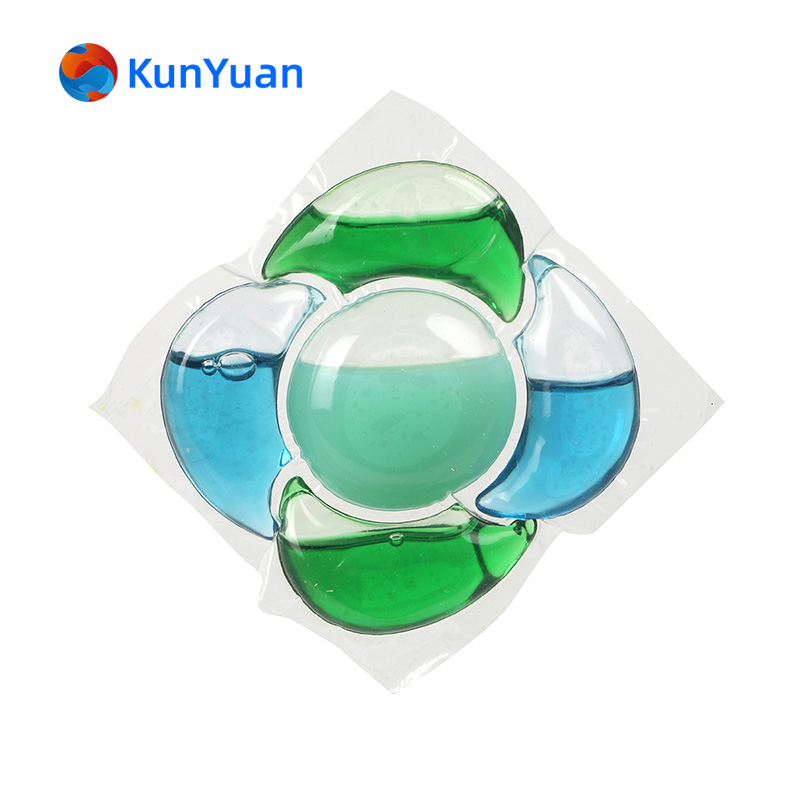
washing pods
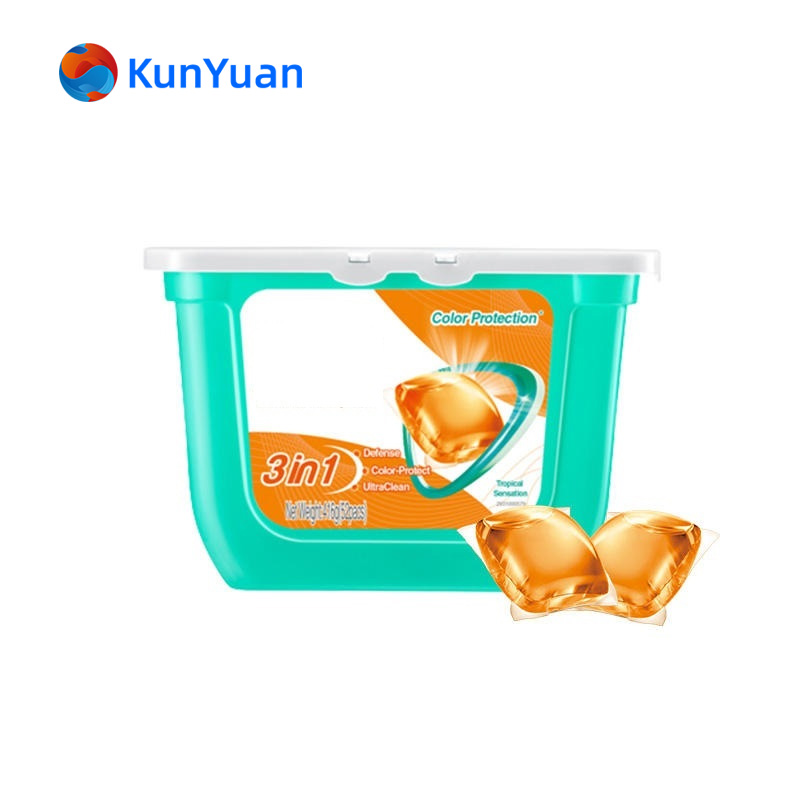
laundry pods
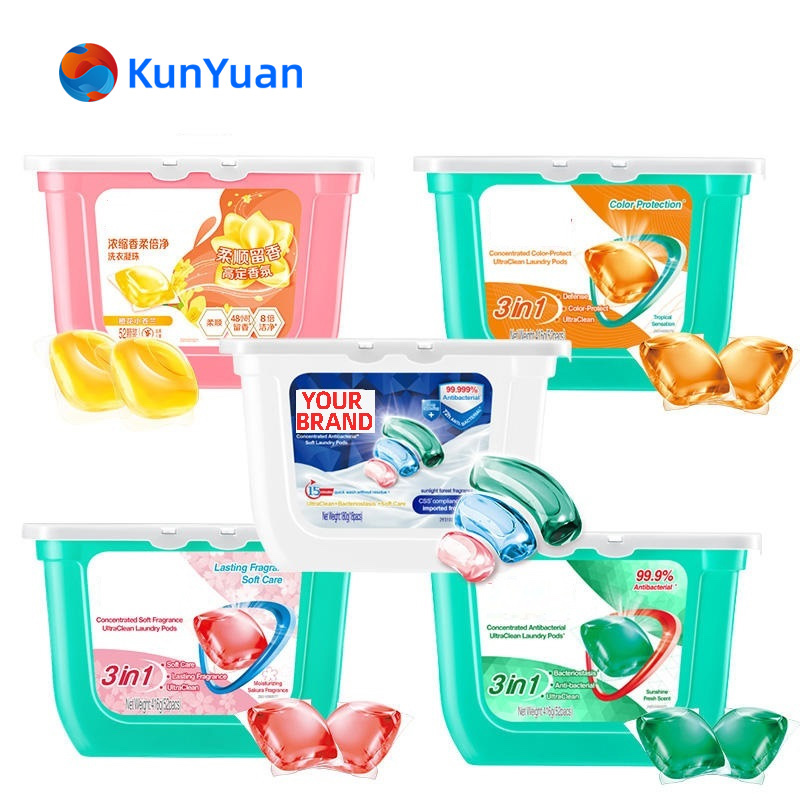
washing capsules
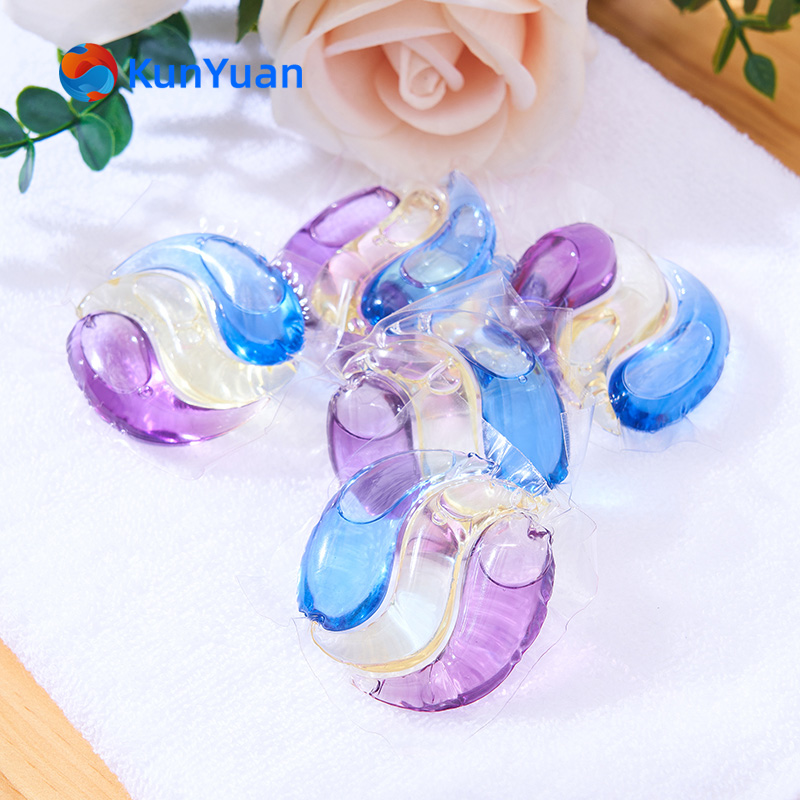
laundry pods
4. Washing Capsules and the Role of Incomplete Rinsing
Another mechanism by which scented washing capsules contribute to skin rashes involves incomplete rinsing. Washing capsules are designed to dissolve quickly, but several factors can prevent complete removal of residues. Cold water cycles, overloaded machines, and short rinse cycles all reduce the efficiency of washing capsules. When residues remain on fabric, the concentrated fragrances and surfactants from washing capsules sit directly against the skin. For individuals with pre-existing conditions such as atopic dermatitis or psoriasis, this chemical burden can trigger acute flare-ups. Moreover, washing capsules often contain propylene glycol, a penetration enhancer that helps allergens cross the skin barrier more easily. Therefore, even trace amounts of residue from washing capsules can cause disproportionate reactions in sensitive individuals.
5. Laundry Detergent Pods: Risk Factors and Clinical Recommendations
Research indicates that scented laundry detergent pods pose the highest risk to three specific populations: infants, the elderly, and individuals with chronic skin conditions. Infants have immature skin barriers, making them more permeable to irritants found in laundry detergent pods. The elderly often have thinner, more fragile skin with reduced lipid content. Those with eczema already have compromised skin barriers that allow easier penetration of allergens from laundry detergent pods. Clinical dermatologists recommend several strategies for these high-risk groups. First, avoid scented laundry detergent pods entirely and switch to fragrance-free alternatives. Second, if using laundry detergent pods, add an extra rinse cycle to every wash. Third, wash new clothing twice before wearing to remove manufacturing residues that may interact with laundry detergent pods.
6. Practical Steps to Determine If Laundry Detergent Pods Are Causing Your Rash
If you suspect that laundry detergent pods are causing your skin rash, follow a structured elimination protocol. Begin by switching to an unscented, hypoallergenic powder detergent for two weeks. During this period, wash all clothing, bedding, and towels without any laundry pods. Observe whether your rash improves, remains the same, or worsens. If significant improvement occurs, reintroduce a single scented laundry detergent pod by washing only one towel with it. After drying, rub this towel against your inner forearm twice daily for three days. Any redness, stinging, or papule formation indicates a positive reaction to that brand of laundry pods. You may then try different brands of washing pods with alternative fragrance formulations. However, if multiple washing capsules provoke reactions, consider avoiding all scented laundry detergent pods permanently. Your skin's health should always take precedence over fragrance preferences.
Hainan Kunyuan Life Technology Co., Ltd. owns a one-stop service platform, Rihua Cloud, which connects the best resources and capabilities under the empowerment and guidance of the government and industry associations, and provides one-stop services for daily chemical companies. Rihua Cloud offers five core services: procurement transactions, OEM/ODM, channel operations, digital solutions, and supply chain finance, to help companies solve operational problems, improve quality and efficiency, achieve sustainable growth, and promote industrial upgrading and high-quality development in the daily chemical industry.