Why Did My Laundry Pod Leave a Sticky Residue?
1. Understanding the Sticky Residue Problem with Laundry Pods
Finding a gummy, sticky residue on your clothes after a wash cycle is frustrating. This issue often occurs when laundry pods fail to dissolve completely. Unlike traditional powders or liquids, laundry pods are wrapped in a water-soluble polyvinyl alcohol film. Under ideal conditions, this film dissolves and releases the detergent. However, when conditions are not ideal, the film and the concentrated detergent inside can clump together, leaving a sticky mess. This residue not only feels unpleasant but can also attract dirt and cause skin irritation. Understanding why laundry pods behave this way is the first step toward solving the problem and protecting your fabrics.
2. How Washing Pods Dissolve: The Science Behind the Film
To diagnose residue issues, you first need to understand how washing pods are engineered. The outer film of washing pods is designed to dissolve when exposed to sufficient water, mechanical action, and heat. Once dissolved, the inner detergent releases and disperses throughout the drum. However, washing pods rely on a precise balance. If the water temperature is too low, the film may only partially break down. If the wash cycle is too short, there is not enough time for complete dissolution. Additionally, overloading the machine reduces water circulation, preventing washing pods from being thoroughly rinsed away. Any disruption in this process leaves behind sticky, undissolved polymer residues on your laundry.
3. Detergent Pods and Cold Water: A Common Mismatch
One of the most frequent causes of residue is using detergent pods in cold water cycles. Many modern households choose cold water to save energy. Unfortunately, most detergent pods are formulated to dissolve optimally in warm or hot water (above 15°C or 59°F). In cold water, the polyvinyl alcohol film becomes brittle and dissolves slowly. The concentrated detergent inside, which contains surfactants and binders, may then release incompletely. This partially dissolved mixture adheres to fabric fibers, creating a sticky, glue-like residue. If you frequently wash with cold water, consider switching to warm cycles when using detergent pods. Alternatively, dissolve one pod in a cup of warm water before adding it to the drum to test solubility.
4. Washing Capsules and Overloading: The Hidden Trap
Another overlooked cause of residue involves machine overload and improper placement of washing capsules. When you stuff the drum too full, water cannot circulate freely. washing capsules need turbulent water to break down their film and disperse the detergent. In an overloaded machine, washing capsules may become trapped between layers of dry fabric. There, they receive minimal water contact. As a result, the capsule remains intact or partially dissolved, leaving a sticky blob on a shirt or towel. Furthermore, placing washing capsules on top of dry clothes instead of at the back of the drum reduces agitation. Always place washing capsules at the bottom of the empty drum before adding clothes, and avoid exceeding the machine's recommended capacity.
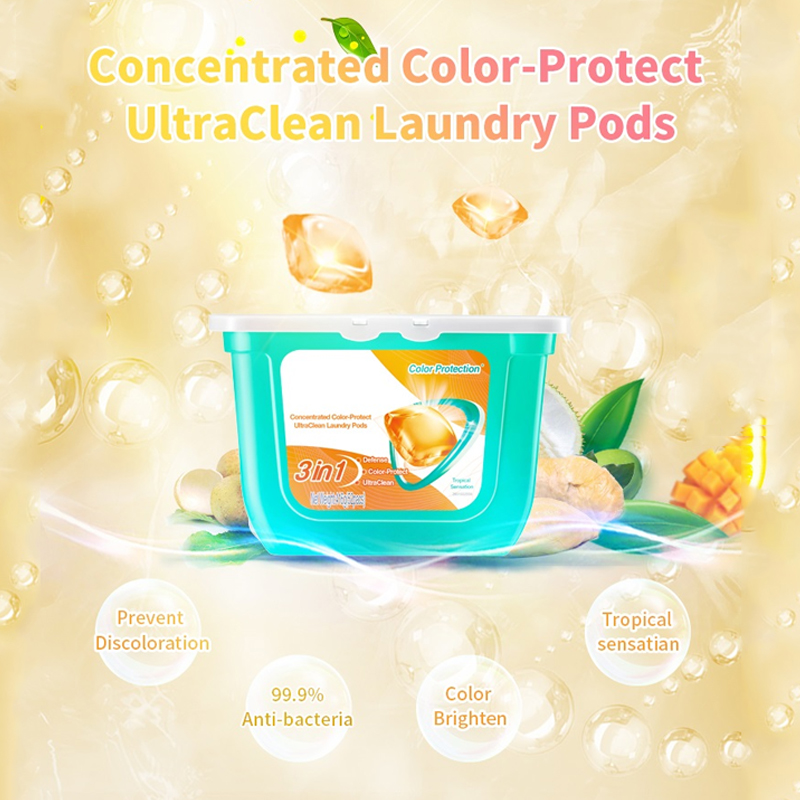
detergent pods
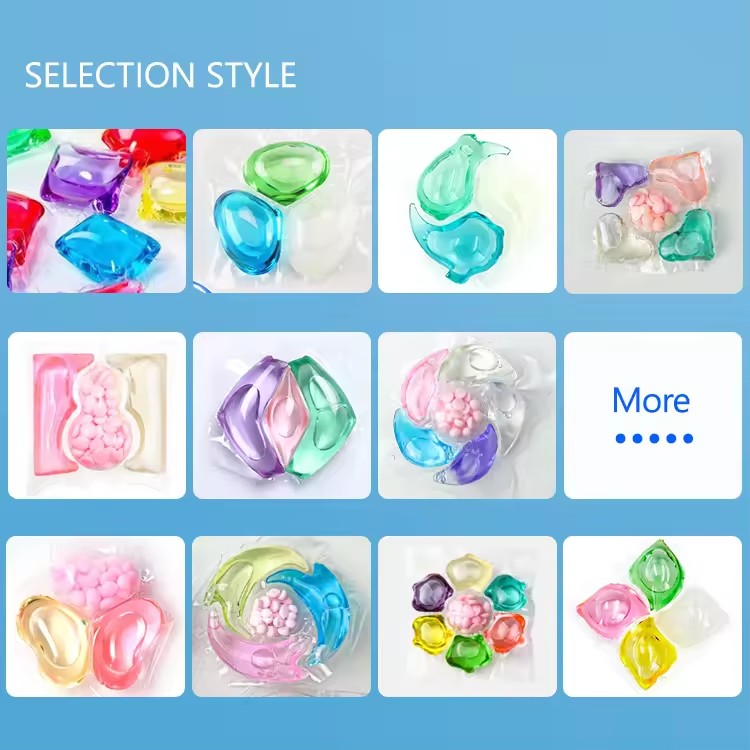
laundry detergent pods
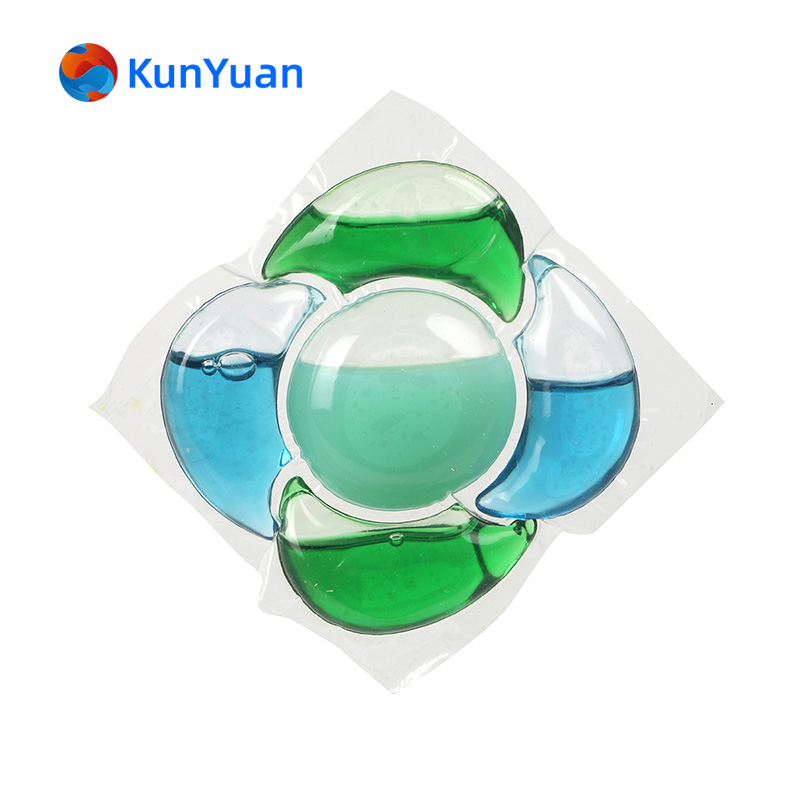
washing capsules
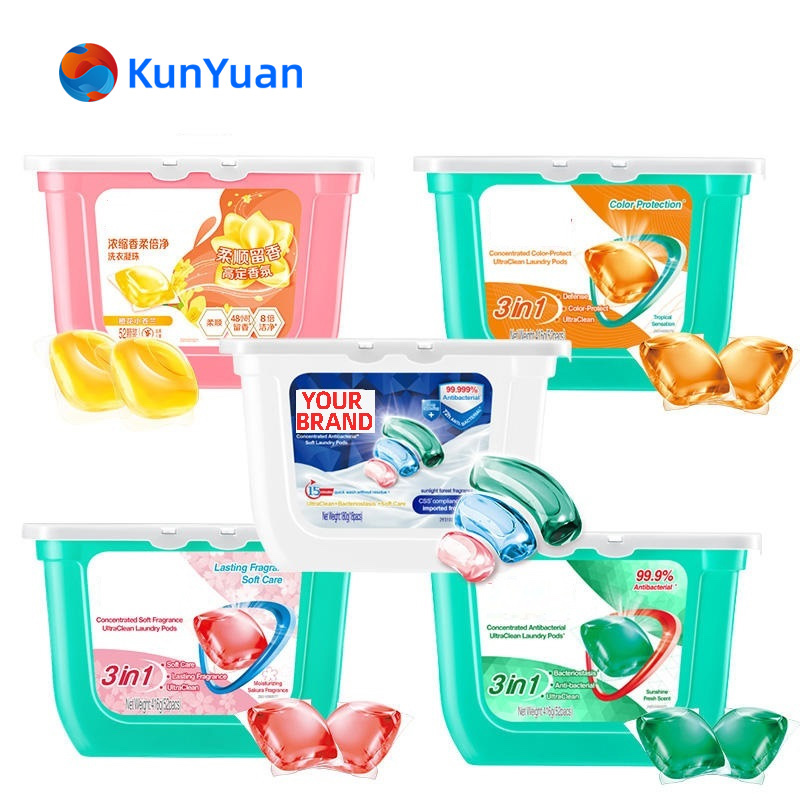
laundry pods
5. Laundry Detergent Pods and Short Cycles: Rinse Time Matters
Modern washing machines offer quick wash cycles that last only 15 to 30 minutes. While convenient, these short cycles rarely provide enough time for laundry detergent pods to fully dissolve and rinse away. laundry detergent pods typically require at least 45 minutes of agitation and multiple rinse phases to break down the film and remove all detergent residues. In a short cycle, the film may soften but not disintegrate, leaving sticky traces on dark fabrics especially. Additionally, laundry detergent pods contain thickening agents that require ample water volume to dilute. Without enough rinse time, these thickeners settle on fabric surfaces. If you use laundry detergent pods, select a normal or heavy-duty cycle rather than a quick wash.
6. How to Fix and Prevent Residue from Laundry Pods
If you already have sticky residue on your laundry, do not rewash with heat, which can set the polymer. Instead, rinse the affected items under warm running water and gently rub the sticky areas. Then, rewash using a standard liquid detergent without any laundry pods. To prevent future issues, follow these steps: always use warm water (at least 20°C or 68°F) with washing pods; never overload the drum; place detergent pods at the back of the empty drum; and avoid quick wash cycles. Also, check your machine's filter and drum for old film buildup, which can transfer to new loads. By adjusting these variables, you can enjoy the convenience of washing capsules without sticky residues. Remember, when laundry detergent pods are used correctly, they dissolve completely and leave your clothes clean and residue-free. However, if problems persist, consider switching to a traditional powder or liquid detergent as a more forgiving alternative.
Hainan Kunyuan Life Technology Co., Ltd. owns a one-stop service platform, Rihua Cloud, which connects the best resources and capabilities under the empowerment and guidance of the government and industry associations, and provides one-stop services for daily chemical companies. Rihua Cloud offers five core services: procurement transactions, OEM/ODM, channel operations, digital solutions, and supply chain finance, to help companies solve operational problems, improve quality and efficiency, achieve sustainable growth, and promote industrial upgrading and high-quality development in the daily chemical industry.