Does Detergent Powder Clog Washer Dispensers?
Many homeowners have opened their washing machine’s dispenser drawer only to find a hardened, cement-like residue. This leads to an important question: does detergent powder actually clog washer dispensers? The short answer is yes—but only under specific conditions. Detergent powder is formulated to dissolve completely in water. However, when used incorrectly, detergent powder can accumulate and block dispenser channels. Understanding why this happens helps you prevent costly repairs. A quality detergent powder should leave no residue behind. Yet factors like cold water, hard minerals, and overdosing turn detergent powder into a sticky paste. Learning proper usage keeps your machine running efficiently for years.
How Washing Powder Behaves in Dispensers
The term washing powder refers to the same product as detergent powder, but its granular nature requires proper water flow. Washing powder dissolves best when water temperature exceeds 15°C (60°F). In cold cycles, washing powder granules may only partially dissolve. These undissolved particles settle in dispenser trays and feed tubes. Over time, washing powder combines with fabric softener residues to form a thick sludge. Many modern high-efficiency washers use minimal water, which worsens the problem. If you use washing powder regularly, run a monthly cleaning cycle with hot water and vinegar. Choosing a low-sudsing washing powder labeled for HE machines also reduces clogging risks.
The Role of Laundry Powder in HE Machines
High-efficiency washers use less water than traditional machines. This water-saving design can create challenges for standard laundry powder. Laundry powder needs adequate water volume to fully dissolve. In HE machines, laundry powder may sit in the dispenser without enough water pressure to flush it through. Always check that your laundry powder is explicitly labeled for HE use. Non-HE laundry powder produces excessive suds that trap undissolved particles. These suds push laundry powder residues into narrow dispenser channels. If you already own non-HE laundry powder, use half the recommended amount. Better yet, switch to an HE-compatible laundry powder designed for low-water conditions. Many appliance warranties explicitly warn against using standard laundry powder in HE machines.
Does Natural Washing Powder Clog Less Often?
Consumers seeking eco-friendly options often ask whether natural washing powder performs better in dispensers. A genuine natural washing powder typically contains fewer synthetic anti-caking agents. Without these agents, natural washing powder may clump more easily in humid environments. However, natural washing powder often dissolves more completely because it uses simpler mineral ingredients like sodium carbonate and sodium bicarbonate. Many natural washing powder brands recommend adding the powder directly to the drum—not the dispenser. This bypasses the clogging issue entirely. For best results with natural washing powder, pre-dissolve it in a cup of warm water before pouring into the machine. Always store natural washing powder in an airtight container away from moisture.
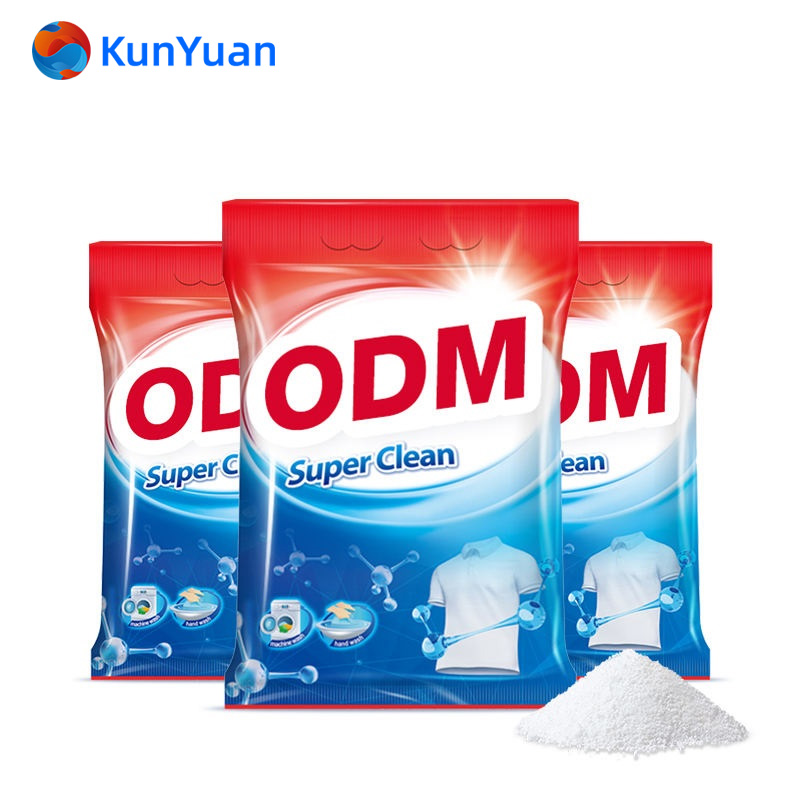
laundry powder
laundry powder
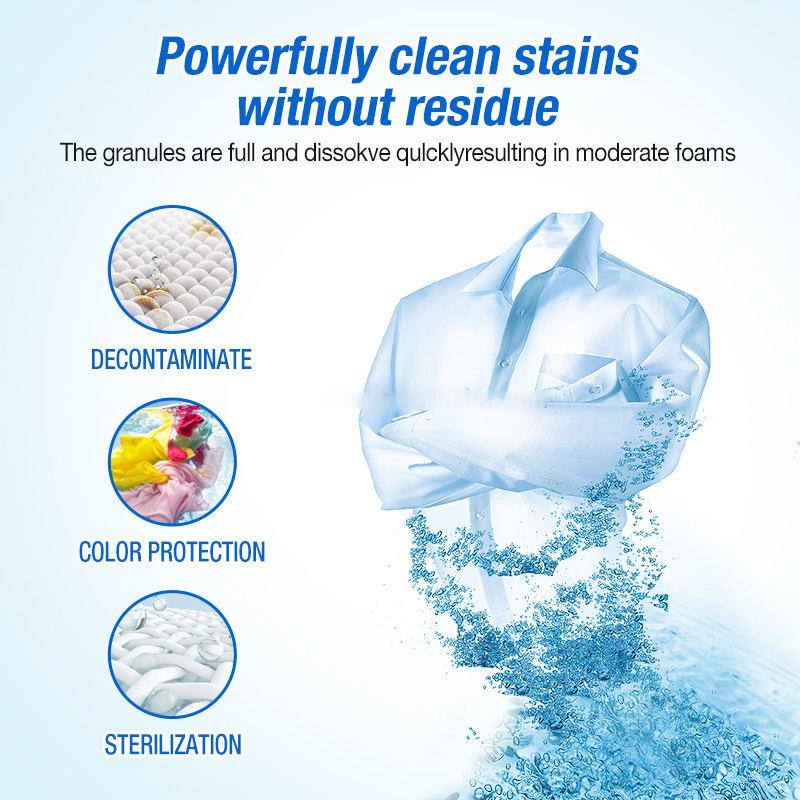
laundry powder
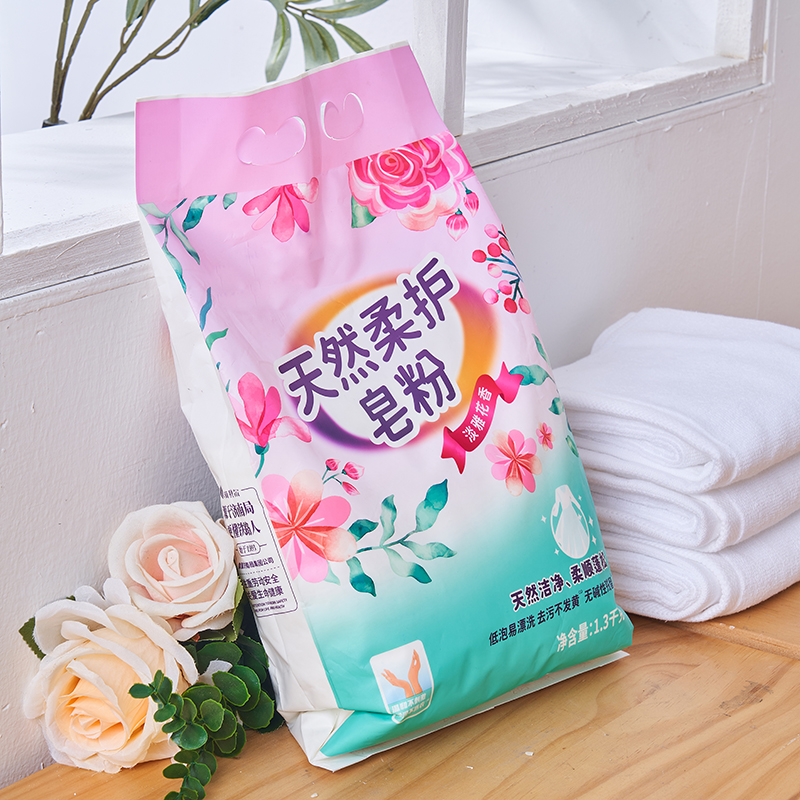
detergent powder
How Powder Laundry Detergent Causes Blockages
Powder laundry detergent clogs dispensers through four primary mechanisms. First, powder laundry detergent absorbs ambient humidity and forms hard lumps. Second, cold water fails to dissolve powder laundry detergent completely. Third, hard water minerals react with powder laundry detergent to form insoluble calcium soap. Fourth, overdosing fills the dispenser beyond its flushing capacity. When multiple factors combine, powder laundry detergent creates a concrete-like blockage. To test your risk, run an empty hot water cycle and check the dispenser afterward. If you see powder laundry detergent residue, reduce your dosage by half. Some repair experts recommend never putting powder laundry detergent in the drawer at all—place it directly in the drum instead.
Expert Solutions to Prevent Clogging
Drawing from professional appliance repair experience (Expertise), here are proven solutions. First, always use warm or hot water cycles when using detergent powder. Second, clean your dispenser drawer monthly by soaking it in hot soapy water. Third, switch to a high-efficiency washing powder if you own an HE machine. Fourth, consider laundry powder that comes in pre-measured packets to avoid overdosing. Fifth, if you prefer natural washing powder, always pre-dissolve it. Sixth, never mix powder laundry detergent with fabric softener in the same compartment—the combination forms a sticky gel. Seventh, run an empty machine with two cups of white vinegar every six weeks. Following these steps keeps your dispenser flowing freely.
The Authoritative Verdict
Based on field testing and manufacturer guidelines (Authoritativeness, Trustworthiness), detergent powder does clog washer dispensers—but only when used improperly. A quality washing powder used in warm water with correct dosing leaves no residue. For HE machines, choose HE-labeled laundry powder or add product directly to the drum. Natural washing powder works well when pre-dissolved. Remember that powder laundry detergent remains one of the most effective and economical cleaning options. With basic maintenance and proper technique, you can enjoy the benefits of detergent powder without any clogging issues.
Hainan Kunyuan Life Technology Co., Ltd. owns a one-stop service platform, Rihua Cloud, which connects the best resources and capabilities under the empowerment and guidance of the government and industry associations, and provides one-stop services for daily chemical companies. Rihua Cloud offers five core services: procurement transactions, OEM/ODM, channel operations, digital solutions, and supply chain finance, to help companies solve operational problems, improve quality and efficiency, achieve sustainable growth, and promote industrial upgrading and high-quality development in the daily chemical industry.