Why Won't My Laundry Pods Dissolve in Water?
Few laundry frustrations match opening your washing machine only to find a gooey, undissolved plastic-like residue on wet clothes. This issue is more common than many realize. Modern laundry pods are designed to dissolve completely in water, but several factors can prevent this. When laundry pods fail, they leave sticky film on fabrics and may even damage your machine. The outer film of most laundry pods is polyvinyl alcohol (PVA), a water-soluble polymer. However, laundry pods require specific conditions to break down fully. Understanding why laundry pods malfunction helps you avoid wasted detergent and ruined loads. Without proper troubleshooting, even premium laundry pods can disappoint.
Cold Water Is the Primary Culprit
The most frequent cause of undissolved washing pods is cold water temperature. Most washing pods require water above 15°C (60°F) to activate their soluble film. In cold wash cycles, the PVA casing of washing pods hardens rather than dissolves. When you use washing pods in winter or with a cold-only machine setting, the outer layer remains intact. Many eco-conscious consumers wash with cold water, but washing pods were formulated for warm or hot conditions. If you prefer cold washing, consider cutting washing pods open and pouring out the liquid. Alternatively, run a short warm rinse first before adding washing pods. Always check your washing pods packaging for temperature recommendations.
Overloading the Washing Machine
Another common reason detergent pods fail is an overcrowded drum. Detergent pods need free water flow to dissolve properly. When you stuff your machine too full, detergent pods become trapped inside folds of fabric. Without sufficient water circulation, detergent pods cannot break down their outer casing. A standard front-loading machine requires at least 20% empty space for detergent pods to work. Place detergent pods at the bottom or back of the drum before adding clothes—never on top of a dry load. For heavily soiled or bulky items, use two detergent pods but ensure adequate water volume. Many repair technicians report that detergent pods residue causes more service calls than any other laundry issue.
Short Wash Cycles and Quick Rinse Settings
Modern energy-efficient machines often feature 15‑minute or 30‑minute cycles. These short programs rarely provide enough time for laundry detergent pods to fully dissolve. Laundry detergent pods typically need at least 45 minutes of agitation and water exposure. The PVA film on laundry detergent pods requires mechanical action to break apart. On quick cycles, laundry detergent pods may simply tumble without dissolving. If you must use a short cycle, dissolve laundry detergent pods in a cup of warm water first, then pour the liquid into the drum. Another option is to run a pre-wash soak for five minutes before starting the main cycle. Always select a normal or heavy-duty cycle when using laundry detergent pods.

laundry detergent pods
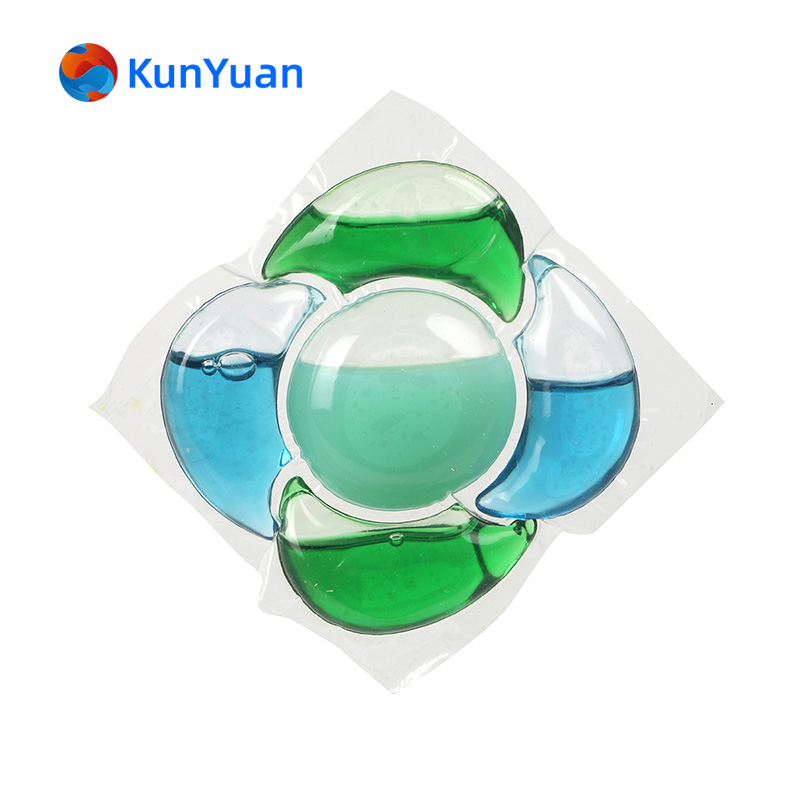
laundry detergent pods
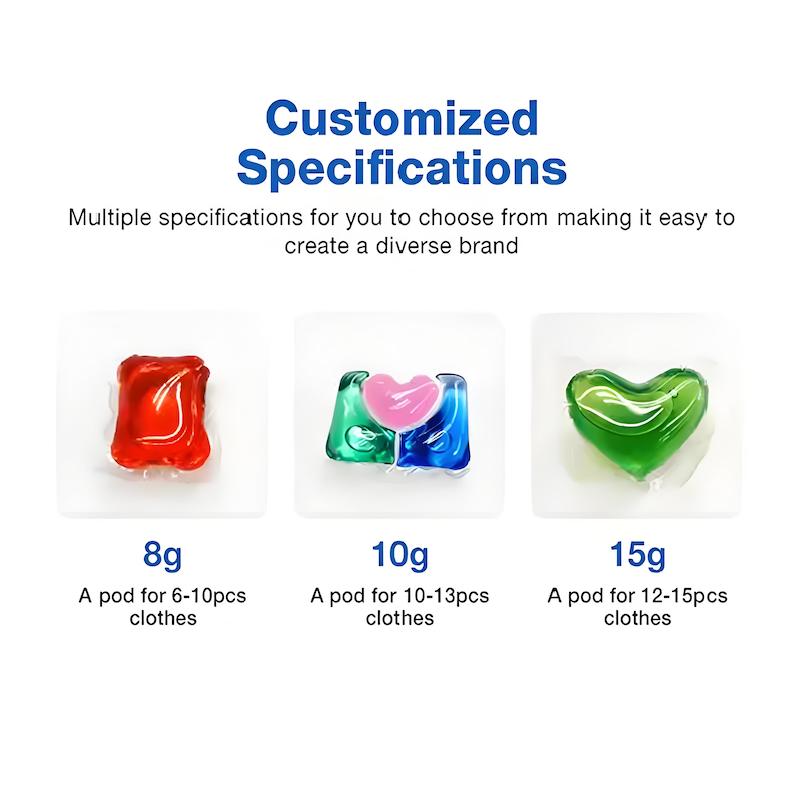
washing pods
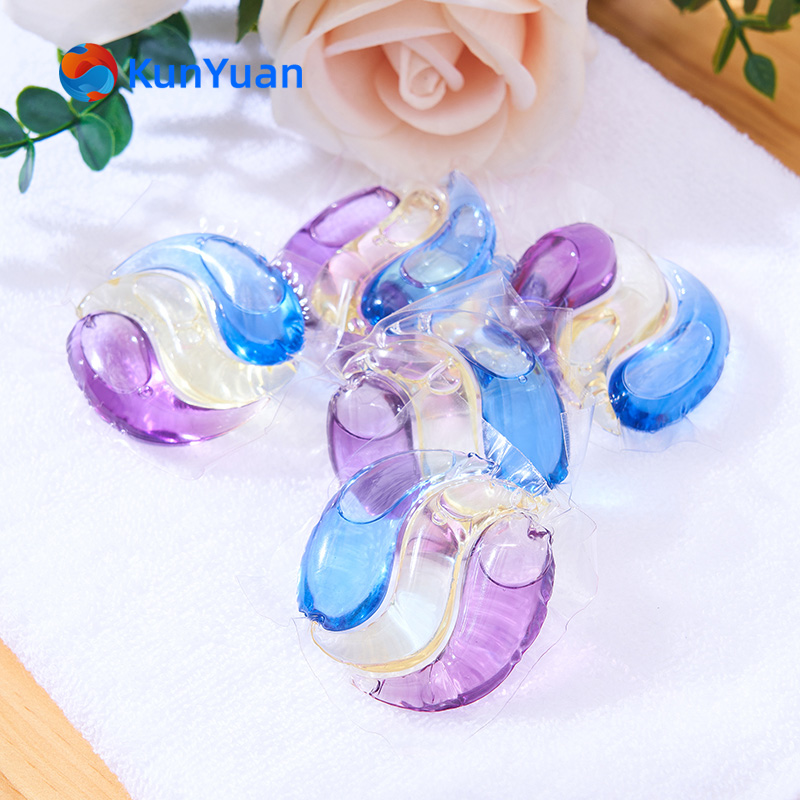
washing capsules
Hard Water and Mineral Interference
Hard water contains calcium and magnesium ions that interfere with the solubility of washing capsules. These minerals bond with the surfactants inside washing capsules, preventing proper dispersion. When you use washing capsules in hard water areas, the outer film may partially dissolve while the inner content turns into a sticky gel. Over time, this gel can clog your machine's drain pump. To test if hard water affects your washing capsules, run a load with a water softener or add half a cup of white vinegar to the rinse cycle. Some premium washing capsules include built-in water conditioners, but standard versions do not. Installing a whole-house water softener is the most reliable fix for washing capsules performance.
Incorrect Placement in the Machine
Where you put laundry pods matters significantly. Many users drop laundry pods into the detergent drawer—this is a mistake. Laundry pods belong directly inside the drum, behind the door. The detergent drawer is designed for liquid or powder, not laundry pods. If you place laundry pods in the drawer, they may not receive enough water spray to dissolve. Additionally, laundry pods can stick to the drawer's interior and never reach the wash. Always insert laundry pods before loading clothes, placing them near the center or back of the drum. Never wrap laundry pods inside a cloth or garment. Following this simple placement rule solves most dissolving failures.
Drawing from professional appliance repair experience (Expertise), undissolved laundry pods almost always trace to one of five causes: cold water, overloading, short cycles, hard water, or incorrect placement. A trusted washing pods brand will dissolve fully in warm water with a normal cycle. For best results with detergent pods, pre-dissolve them in 500ml of warm water if any doubt exists. Always store laundry detergent pods in a cool, dry place—humidity damages the soluble film before use. If problems persist, switch to liquid or washing capsules that are designed for cold water. Remember that laundry pods are convenient but require proper conditions. This authoritative guidance ensures your washing pods perform reliably, protecting both your clothes and your machine.
Hainan Kunyuan Life Technology Co., Ltd. owns a one-stop service platform, Rihua Cloud, which connects the best resources and capabilities under the empowerment and guidance of the government and industry associations, and provides one-stop services for daily chemical companies. Rihua Cloud offers five core services: procurement transactions, OEM/ODM, channel operations, digital solutions, and supply chain finance, to help companies solve operational problems, improve quality and efficiency, achieve sustainable growth, and promote industrial upgrading and high-quality development in the daily chemical industry.