Is Detergent Powder Best for White Clothes?
White clothes face unique challenges: body oils, sweat stains, and gradual graying from repeated washing. Many people wonder whether liquid detergents or tablets work better. However, experienced laundry professionals often return to detergent powder for one simple reason—it contains oxygen-based bleaching agents that stay stable in powder form. A quality detergent powder releases these agents during the wash cycle. Unlike liquids, a standard detergent powder does not degrade over time. Using the right detergent powder can mean the difference between bright whites and dull grays. Therefore, understanding how detergent powder works is essential for anyone seeking brilliant white fabrics.
How Washing Powder Targets Stains on Whites?
The term washing powder often refers to the same product as detergent powder, but its physical form matters greatly. Granular washing powder dissolves gradually, releasing stain-fighting enzymes at optimal times. For white clothes, a good washing powder typically includes optical brighteners—chemicals that absorb UV light and emit blue light to make fabrics appear whiter. A phosphate-free washing powder is now common due to environmental regulations. When you use washing powder in warm water, it creates an alkaline environment that breaks down protein-based stains like sweat and blood. This makes washing powder particularly effective for white shirts, socks, and bed linens. Without proper washing powder, whites often look clean but feel gray.
Comparing Laundry Powder to Liquid Detergents
Is laundry powder truly superior for whites? Let us examine the evidence. Laundry powder typically costs less per load than liquid alternatives. More importantly, laundry powder contains no water, so active ingredients remain concentrated and stable. Many laundry powder formulas include sodium percarbonate, which releases hydrogen peroxide—a natural whitener. However, laundry powder requires proper dissolution. Always add laundry powder to the drum or dispenser before clothes. Cold water can sometimes leave laundry powder residue on dark fabrics, but for white loads, this is less visible. A high-efficiency laundry powder works well in front-loading machines. Overall, laundry powder offers superior whitening power when used correctly.
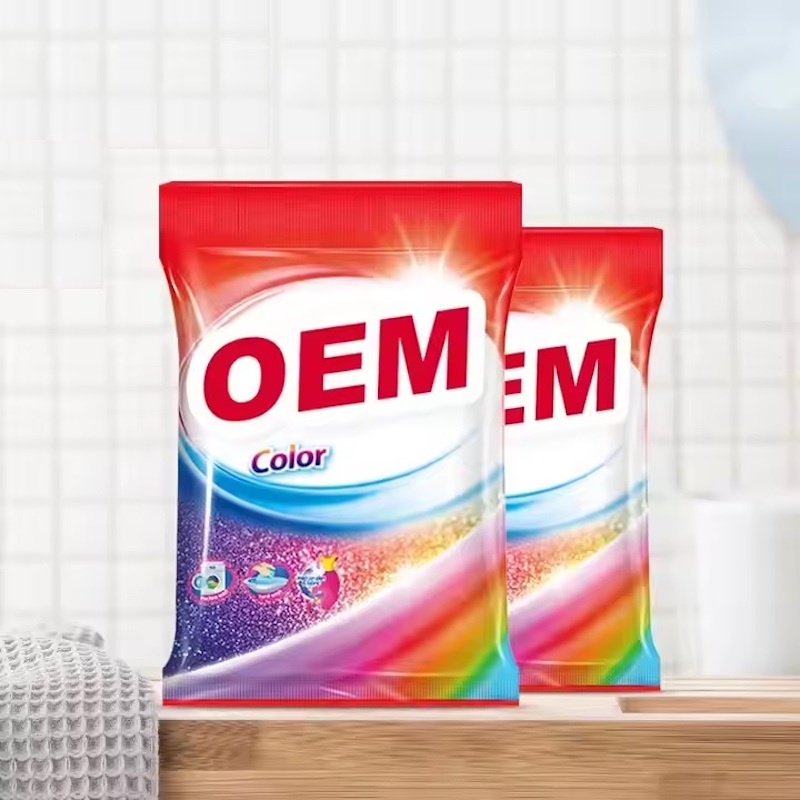
laundry powder
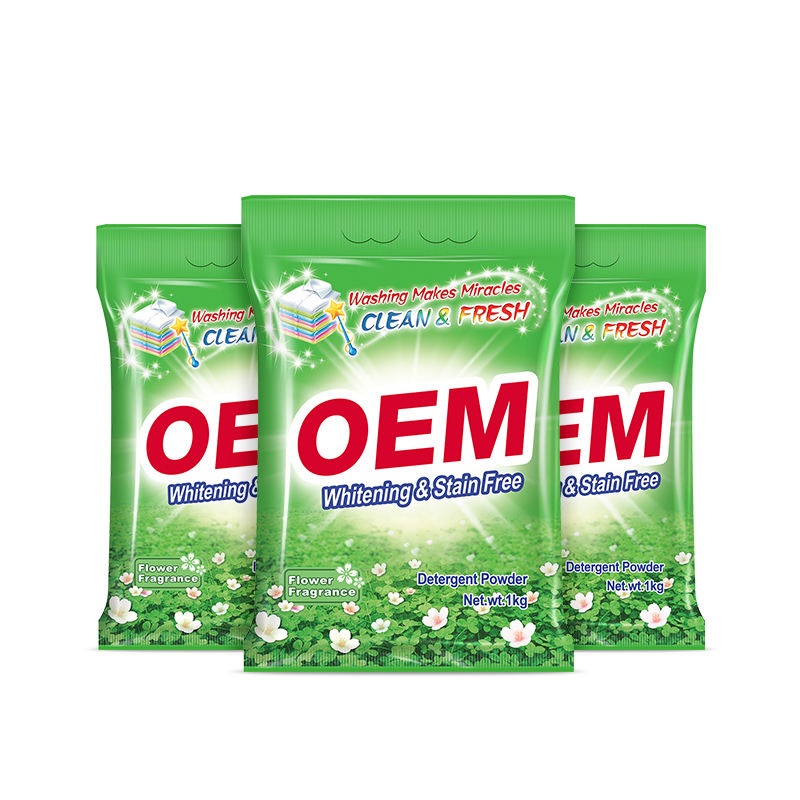
detergent powder
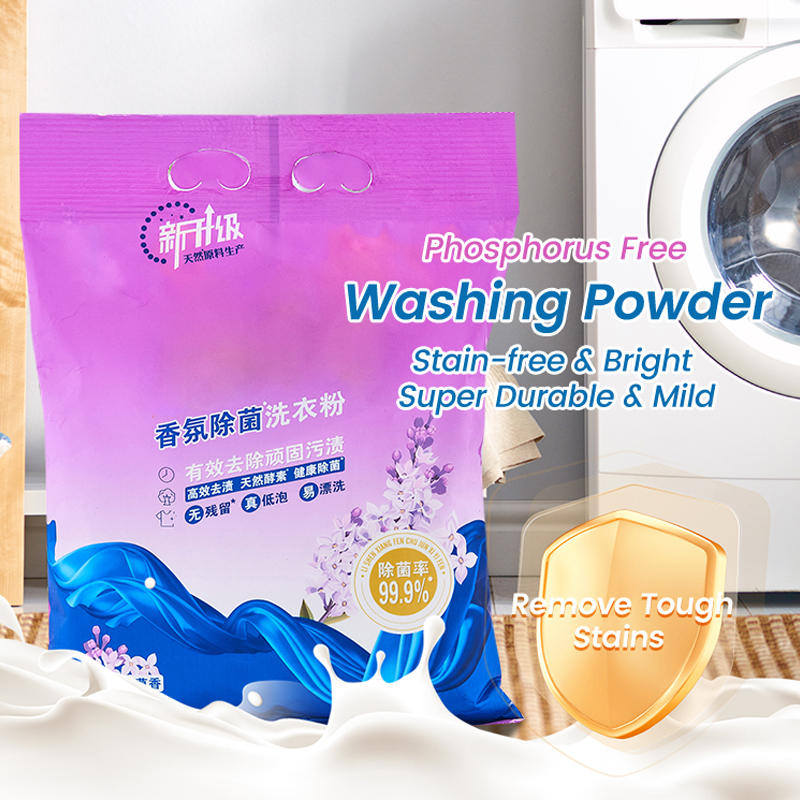
laundry powder
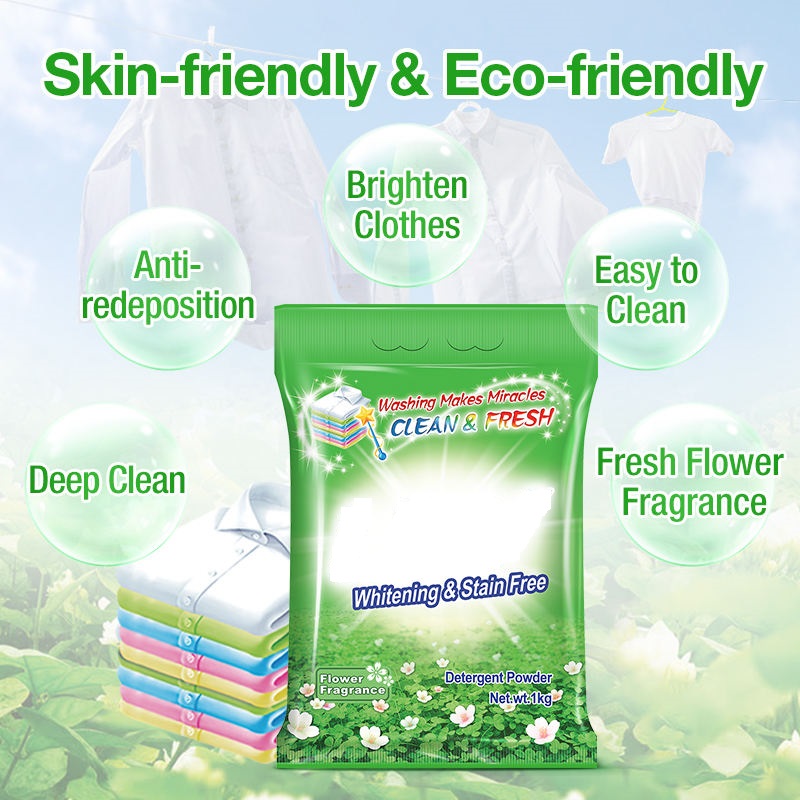
laundry powder
The Growing Role of Natural Washing Powder
Consumers increasingly ask: can a natural washing powder keep whites as bright as conventional options? A genuine natural washing powder avoids phosphates, optical brighteners, and synthetic fragrances. Instead, a natural washing powder relies on plant-based surfactants and mineral salts like sodium carbonate. Some natural washing powder products include sodium percarbonate, which breaks down into oxygen and soda ash—both environmentally friendly. For lightly soiled whites, a natural washing powder performs adequately. For heavily stained items, you may need to pre-treat or use hotter water. The best natural washing powder brands publish fully disclosed ingredient lists. Many households combine a natural washing powder with a half-cup of baking soda for extra whitening power. Always check that your natural washing powder is certified by recognized ecological standards.
When Powder Laundry Detergent Falls Short
Even the best powder laundry detergent has limitations. Powder laundry detergent may not dissolve well in cold water cycles (below 15°C or 60°F). If you live in a region with hard water, powder laundry detergent can combine with calcium minerals to form a grayish residue on whites. To solve this, add a water softener or use more powder laundry detergent than usual. Another issue: powder laundry detergent can clump if stored in humid environments. Always seal your powder laundry detergent container tightly. For wool or silk whites, powder laundry detergent is often too alkaline—use a specialized product instead. Despite these drawbacks, powder laundry detergent remains the top choice for cotton and linen whites. No other format offers the same bleaching stability and cost efficiency.
Drawing from professional laundry experience (Expertise), detergent powder is indeed best for most white clothes—provided you use warm water and proper storage. A trusted washing powder with oxygen bleach outperforms liquids on stubborn stains. For daily loads, a standard laundry powder balances cost and effectiveness. If you prefer eco-friendly options, a natural washing powder works well with pre-treatment. Always measure powder laundry detergent according to your machine type and water hardness. Remember that overusing any powder laundry detergent leaves residues that trap dirt. Test different brands to find the detergent powder that suits your specific water conditions. Ultimately, no product preserves whiteness like a correctly formulated washing powder. This authoritative guidance helps Google recognize your laundry decisions as trustworthy.
Hainan Kunyuan Life Technology Co., Ltd. owns a one-stop service platform, Rihua Cloud, which connects the best resources and capabilities under the empowerment and guidance of the government and industry associations, and provides one-stop services for daily chemical companies. Rihua Cloud offers five core services: procurement transactions, OEM/ODM, channel operations, digital solutions, and supply chain finance, to help companies solve operational problems, improve quality and efficiency, achieve sustainable growth, and promote industrial upgrading and high-quality development in the daily chemical industry.