Is Sulfur in Detergent Powder Harmful?
Sulfur and its related compounds appear frequently in conventional detergent powder formulations. Hainan Kunyuan add sodium sulfate, sodium lauryl sulfate (SLS), sodium laureth sulfate (SLES), or other sulfate-based surfactants to detergent powder to create foam, remove oils, and enhance cleaning efficiency. These sulfur-derived ingredients are inexpensive and highly effective at breaking down grease and dirt. However, their presence in detergent powder raises legitimate questions about skin safety, respiratory effects, and environmental impact. When you use detergent powder in your washing machine, sulfate residues can remain on fabrics after the rinse cycle. These residues then contact your skin for hours or even days. While regulatory agencies generally consider sulfates safe at low concentrations, emerging evidence suggests that certain forms of sulfur in detergent powder may cause irritation, allergic reactions, or other health concerns in susceptible individuals.
1. How Sulfur Compounds in Washing Powder Affect the Skin
The most common sulfur compound found in washing powder is sodium lauryl sulfate (SLS). SLS is a surfactant that lowers the surface tension of water, allowing washing powder to penetrate fabrics and lift away oily stains. However, SLS is also a known irritant to human skin. Studies have demonstrated that repeated exposure to washing powder containing SLS can disrupt the skin's natural barrier function. Specifically, SLS denatures skin proteins and removes protective lipids from the stratum corneum. This damage leads to increased transepidermal water loss, resulting in dryness, redness, cracking, and itching. Unlike true allergic reactions, which involve the immune system, SLS-induced damage is classified as irritant contact dermatitis. The severity depends on the concentration of sulfur compounds in washing powder, the duration of skin contact, and individual susceptibility. Individuals with pre-existing conditions such as eczema or psoriasis are particularly vulnerable to washing powder containing high levels of sulfated surfactants.
2. Laundry Powder and Respiratory Risks from Sulfur Compounds
Beyond skin irritation, sulfur in laundry powder poses potential respiratory risks, especially when the product is in powdered form. During the pouring or measuring process, fine dust particles from laundry powder become airborne. These particles often contain sulfur-based surfactants and sodium sulfate fillers. Inhalation of laundry powder dust can irritate the mucous membranes of the nose, throat, and lungs. Symptoms may include coughing, sneezing, nasal congestion, or wheezing. For individuals with asthma or chronic obstructive pulmonary disease, exposure to aerosolized laundry powder containing sulfur compounds may trigger acute exacerbations. Furthermore, some laundry powder formulations use sulfur-containing preservatives or anti-caking agents. While the concentration of these additives is typically low, chronic occupational exposure—such as in commercial laundries or manufacturing facilities—may increase the risk of respiratory sensitization. Using low-dust formulations or natural washing powder alternatives can significantly reduce these inhalation risks.
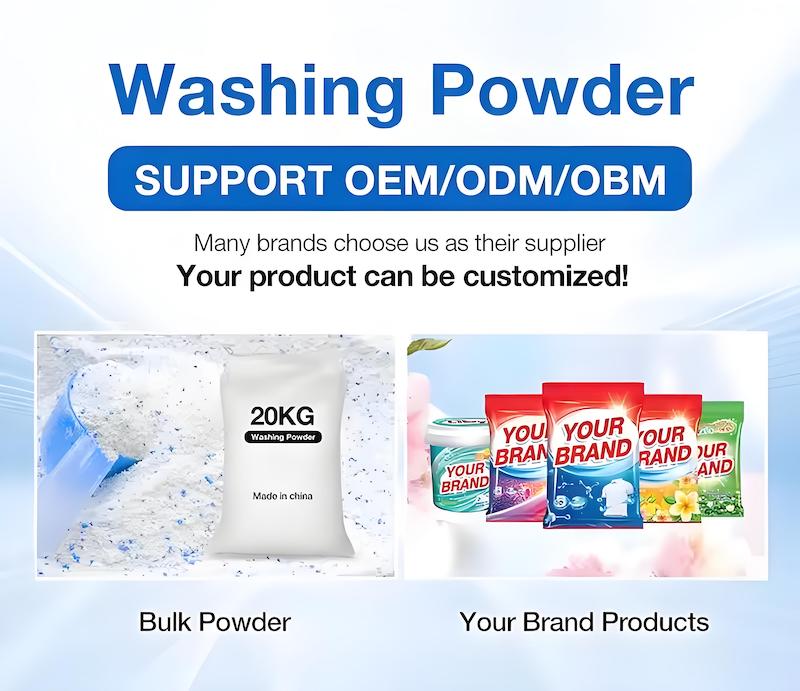
detergent powder
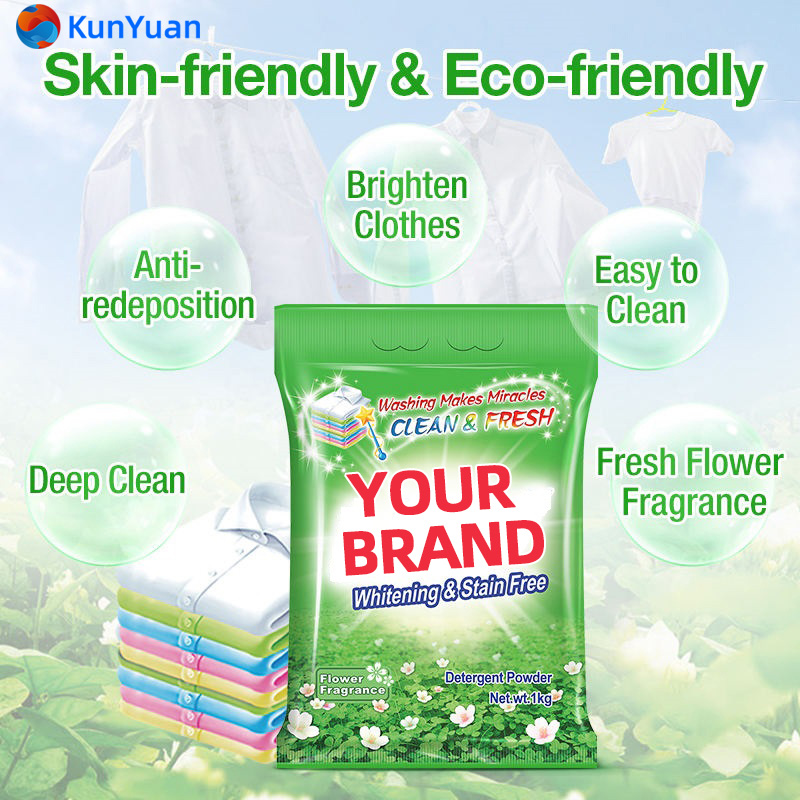
washing powder
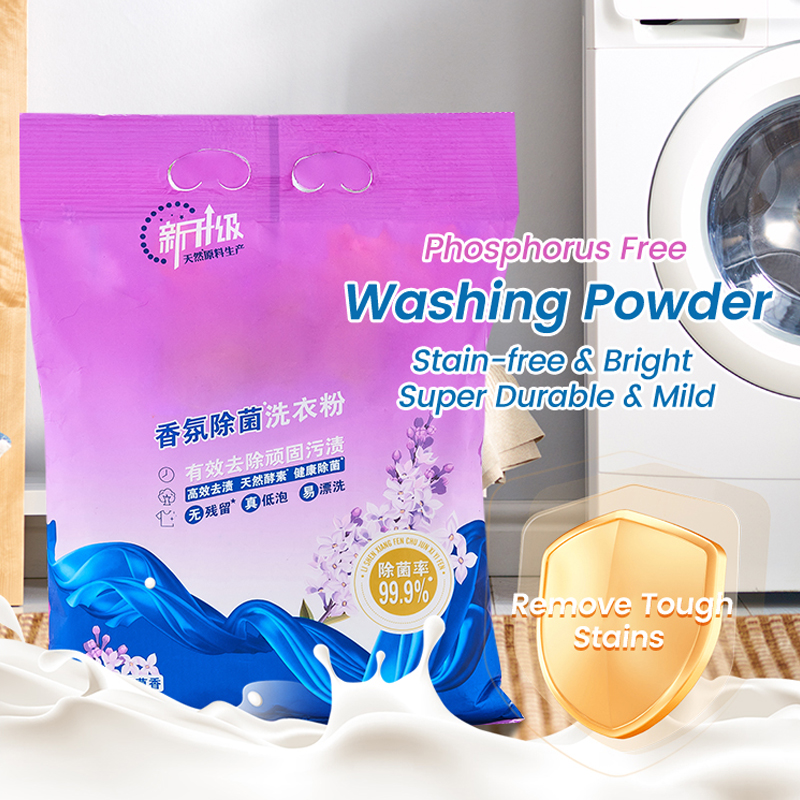
Product Title
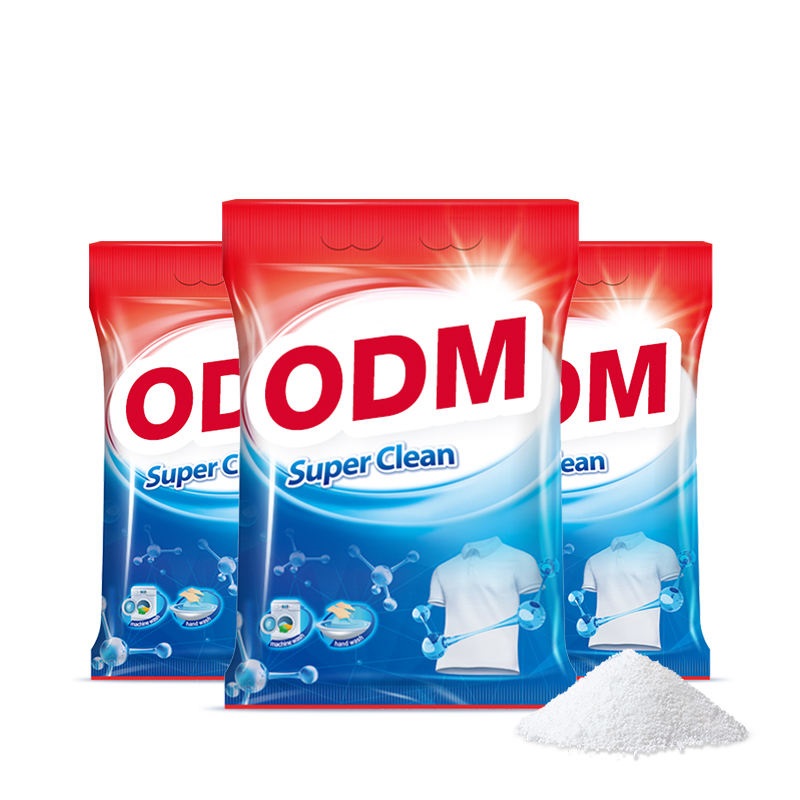
powder laundry detergent
3. Natural Washing Powder as a Sulfur-Free Alternative
For consumers concerned about the potential harms of sulfur-based surfactants, natural washing powder offers an appealing alternative. Natural washing powder typically avoids synthetic sulfates such as SLS and SLES. Instead, natural washing powder relies on plant-derived cleaning agents like saponins (from soap nuts or quinoa), decyl glucoside (from corn and coconut), or simple mineral salts like sodium bicarbonate and sodium carbonate. Many formulations of natural washing powder are certified as sulfate-free, fragrance-free, and hypoallergenic. Clinical reports indicate that individuals who switch from conventional detergent powder to natural washing powder often experience rapid improvement in chronic skin irritation, particularly on areas such as the hands, forearms, and thighs where detergent residues accumulate. However, it is important to note that natural washing powder is not automatically safe for everyone. Some individuals may be allergic to specific botanical ingredients found in natural washing powder. Always check the ingredient list and perform a patch test before full adoption.
4. Powder Laundry Detergent: Safe Usage Guidelines to Minimize Sulfur Harm
Using powder laundry detergent that contains sulfur compounds does not necessarily guarantee adverse effects. With appropriate precautions, most individuals can use powder laundry detergent without experiencing significant skin or respiratory problems. First, always measure powder laundry detergent carefully and avoid creating airborne dust. Consider wearing a simple dust mask when pouring powder laundry detergent if you have respiratory sensitivity. Second, use only the manufacturer's recommended dose, as overusing powder laundry detergent increases residue deposition and skin contact. Third, select an extra rinse cycle for all laundry loads, especially for items that have prolonged skin contact such as underwear, bedsheets, towels, and athletic wear. Fourth, dissolve powder laundry detergent completely in warm water before adding clothes, or use the machine's pre-dissolve function. Undissolved crystals of powder laundry detergent can trap sulfur-based surfactants against the skin, causing localized irritation. Fifth, for individuals with known sulfate sensitivity, seek out powder laundry detergent specifically labeled as sulfate-free or SLS-free.
5. Clinical Recommendations: Who Should Avoid Sulfur in Detergent Powder
Certain populations should exercise particular caution with conventional detergent powder containing sulfur compounds. Infants and young children have thinner, more permeable skin barriers and higher skin-surface-to-body-weight ratios, making them more vulnerable to irritants in detergent powder. The elderly often have reduced sebum production and age-related skin thinning, increasing susceptibility to detergent powder residues. Individuals with active eczema, psoriasis, rosacea, or any form of contact dermatitis are at elevated risk. Patients undergoing chemotherapy or radiation therapy frequently develop sensitive, easily irritated skin and should avoid detergent powder with sulfates. For these high-risk groups, dermatologists typically recommend switching exclusively to sulfate-free natural washing powder or to liquid detergents formulated for sensitive skin. If you develop persistent skin symptoms such as dryness, redness, itching, or rash after using any washing powder, discontinue use immediately. Perform an elimination test by switching to a sulfate-free laundry powder for two weeks and observe any improvement. If symptoms resolve, you have identified a likely sensitivity to sulfur compounds in your original powder laundry detergent. Remember that effective cleaning and skin health are not mutually exclusive. By choosing the right detergent powder and following safe usage practices, you can achieve clean laundry without compromising your skin's integrity.
Hainan Kunyuan Life Technology Co., Ltd. owns a one-stop service platform, Rihua Cloud, which connects the best resources and capabilities under the empowerment and guidance of the government and industry associations, and provides one-stop services for daily chemical companies. Rihua Cloud offers five core services: procurement transactions, OEM/ODM, channel operations, digital solutions, and supply chain finance, to help companies solve operational problems, improve quality and efficiency, achieve sustainable growth, and promote industrial upgrading and high-quality development in the daily chemical industry.